
Photovoltaic expansion in 2023: Germany will reach 14 gigawatts, Europe will reach 56 gigawatts
Germany is expected to break the 14 gigawatt mark in 2023. And the countries of the European Union can look forward to a record increase in photovoltaic systems for the third time in a row. The European umbrella organization Solarpower Europe announced this in its annual “ Energy Market Outlook ”. This year, photovoltaic systems with an output of 56 gigawatts will be connected to the European grid.
Compared to the previous year, this represents market growth of 40 percent. In the EU, photovoltaic systems with an output of 40 gigawatts went online in 2022. In the press conference on the market outlook, Michaela Schmela, head of market research at Solarpower Europe, said that the energy crisis played a significant role in the market growth.
However, the record hunt could be interrupted. The forecast for installation volumes over the next four years shows growth rates of 11 to 19 percent instead of the 40 percent achieved in the past three years. For 2024, Solarpower Europe forecasts an expansion of photovoltaics of 62 gigawatts and thus market growth of only eleven percent. The reason for the setback on the market is likely to be the reluctance of some countries, as networks and storage have to be expanded before the high pace can continue.
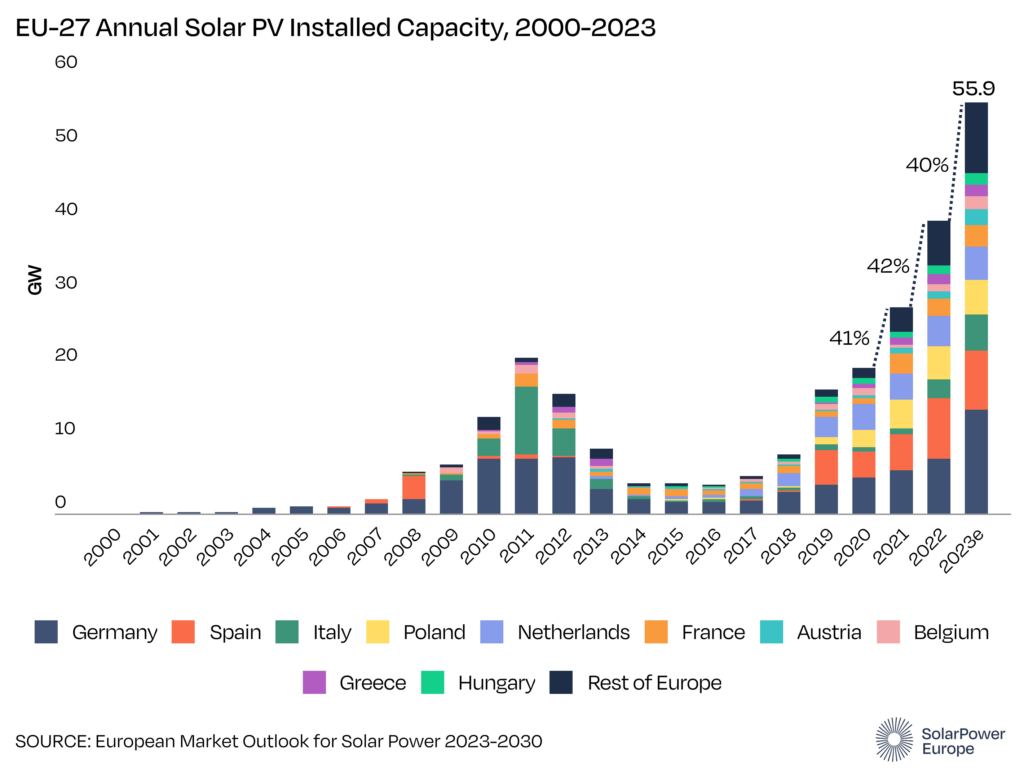
Growth of 19 percent to 74 gigawatts could be likely for 2025. By 2027, 93 gigawatts per year could be installed in the EU. In the optimistic scenario, 130 gigawatts could be installed per year by 2027. A pessimistic scenario assumes an installation volume of 58 gigawatts in 2027. The market would even collapse to below 50 gigawatts in the short term. The reason is that this scenario assumes the introduction of tariffs and trade barriers. These would lead to the market actually shrinking in the short term and then being unable to experience much growth.
Germany leads overall, Netherlands in per capita installations
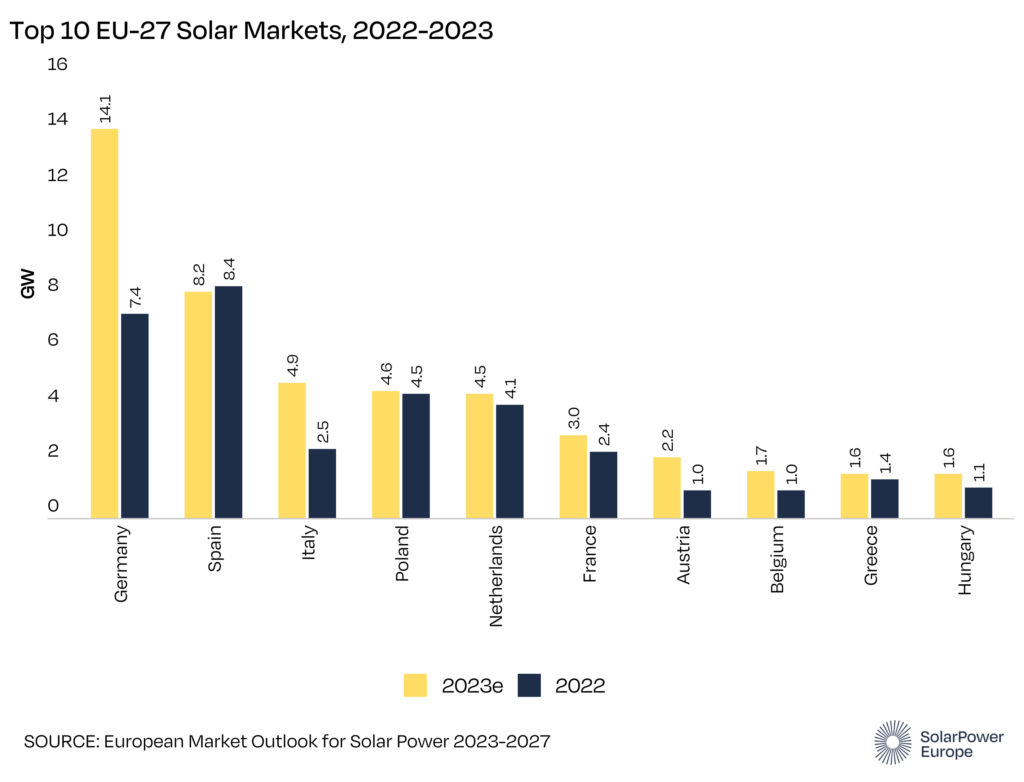
Germany leads the EU market. Solarpower Europe states that systems with an output of 14 gigawatts are expected to come online in Germany this year. This is double the previous year. Europe's second largest market this year is Spain with an expansion of 8.2 gigawatts. However, the Spanish market shrank from 8.4 gigawatts in the previous year. The reason for this was falling demand in the market segment for single-family homes. Italy will reach 4.9 gigawatts this year, a decent growth after 2.5 gigawatts last year.
Poland and the Netherlands are somewhat on par at 4.6 and 4.5 gigawatts, with little change compared to the previous year. France reaches three gigawatts. Austria has more than 100 percent market growth and reaches 2.2 gigawatts. A total of 14 markets in the 27 EU states are now gigawatt markets for photovoltaics. Many new markets have been added, especially in Eastern and Central Europe.
A total of 263 gigawatts will be installed in the EU by the end of this year. An increase of 27 percent compared to the previous year. In the past three years, the EU has recorded an increase in total installed photovoltaic capacity of over 20 percent each year. In terms of photovoltaic output per inhabitant, the Netherlands leads the field, with 1280 watts available per inhabitant. In Germany it is 985 watts, in Denmark 832 watts. Sunny Spain comes in sixth place and reaches 748 watts per inhabitant.
The European photovoltaic market is strongly influenced by the roof system segment. Industry, commercial and residential buildings combined have a market share of 66 percent. The roof segment had already played an important role in previous years. Since the market growth this year is due to the high electricity prices for consumers, this trend has increased again.
Connection and approvals are slow across Europe
How the European market will develop also depends on the political conditions. Grid connection times, building permits and connection fees can represent obstacles to market development. Most of these can be changed politically. The time it takes to bring a ground-mounted photovoltaic system online varies across Europe. And in Germany it doesn't take the longest . According to Solarpower Europa, it takes between one and three years. In Austria it is between 1.5 and 8 years. In Italy it is four to five years. In the Netherlands it is also four to seven years. Only in Romania is it faster. The grid connection there takes between one and a year and a half.
Things are moving particularly quickly in Poland for small photovoltaic systems. Here the time until connection is only one month. In Germany it is between one and eleven months. In the Netherlands between two and three years. Austrian project developers wait between one and twelve months.
 PV solar panel manufacturing downturn to extend into 2026
  SUSTAINABLE DEVELOPMENT BY INDUSTRY STANDARDS
  Maxeon posts US$14.9 million losses in delayed Q1 ’24 results
  Chinese PV Industry Brief: New PV hit 36.72 GW in January-February period
 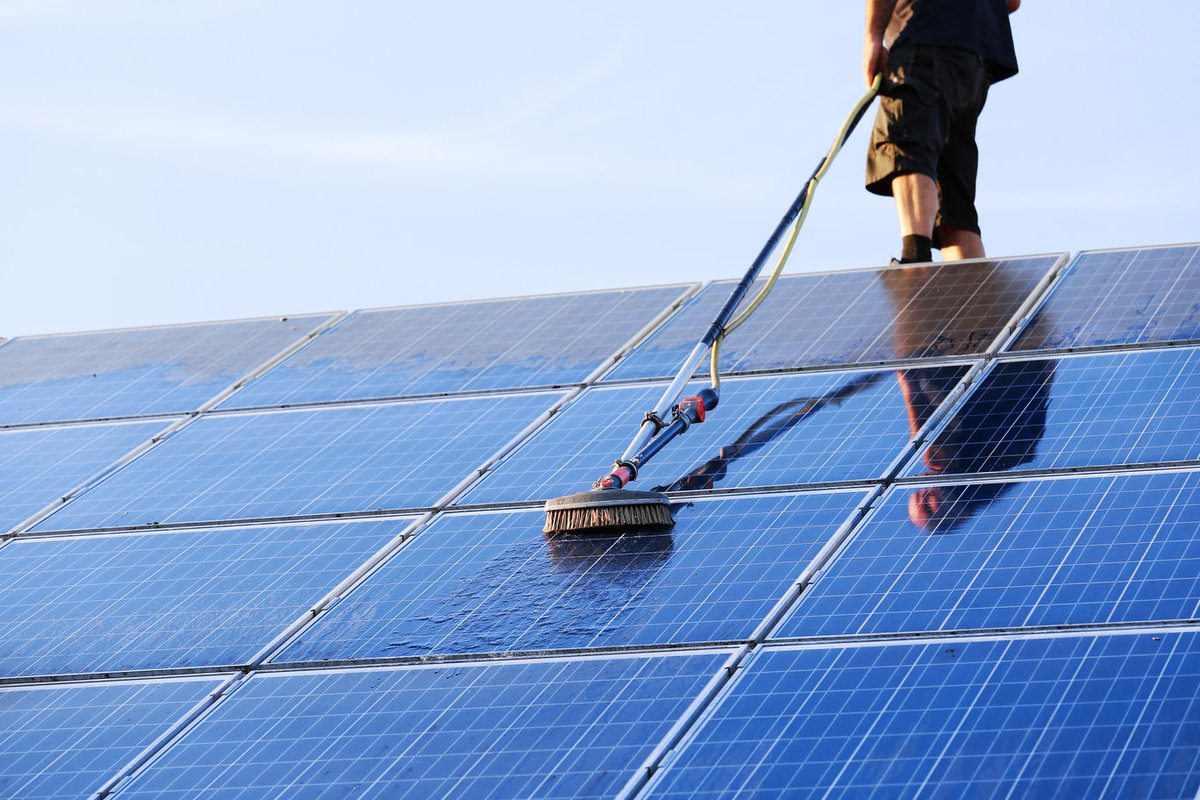 How to maintain solar panels
 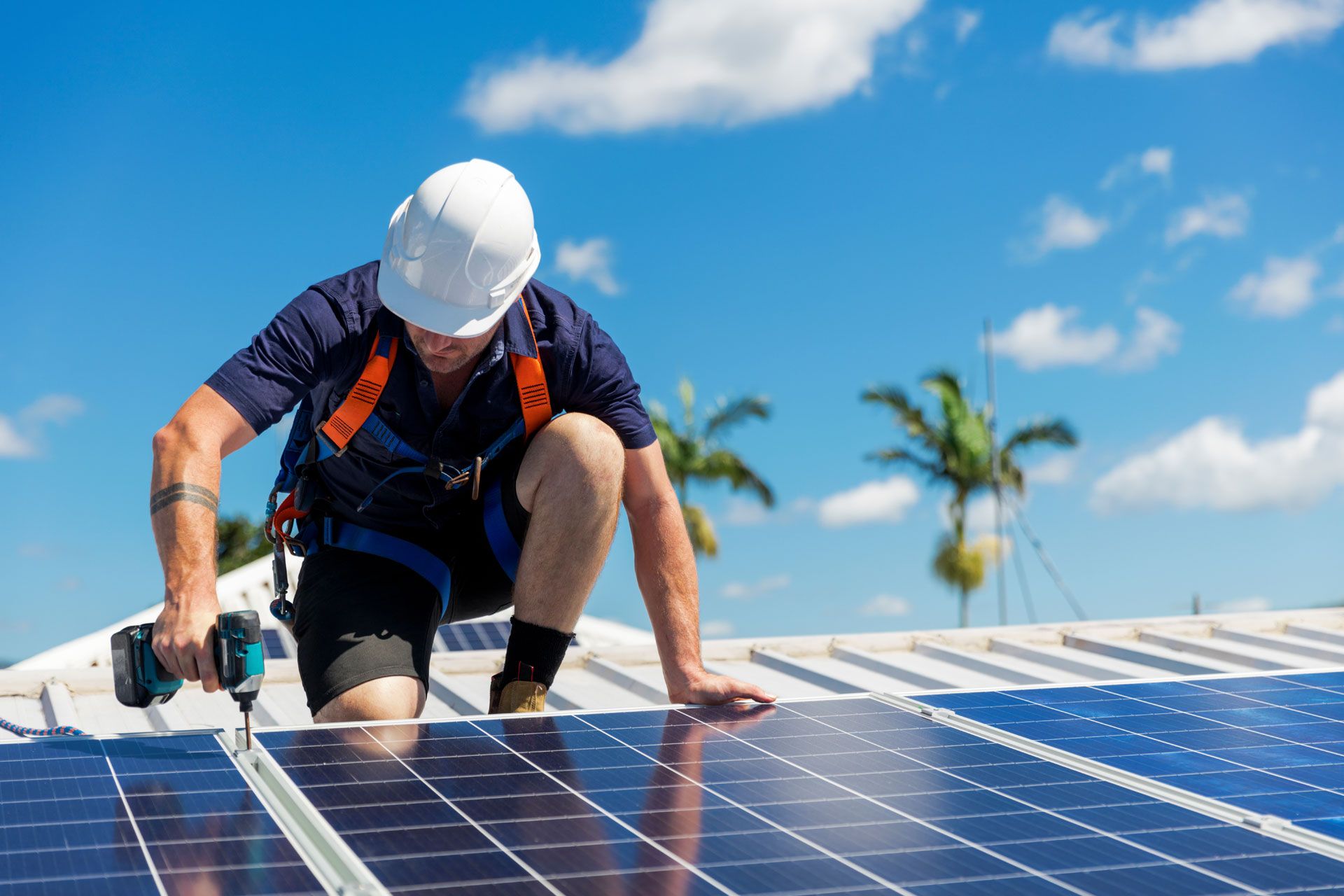 How to Installing solar panels?
 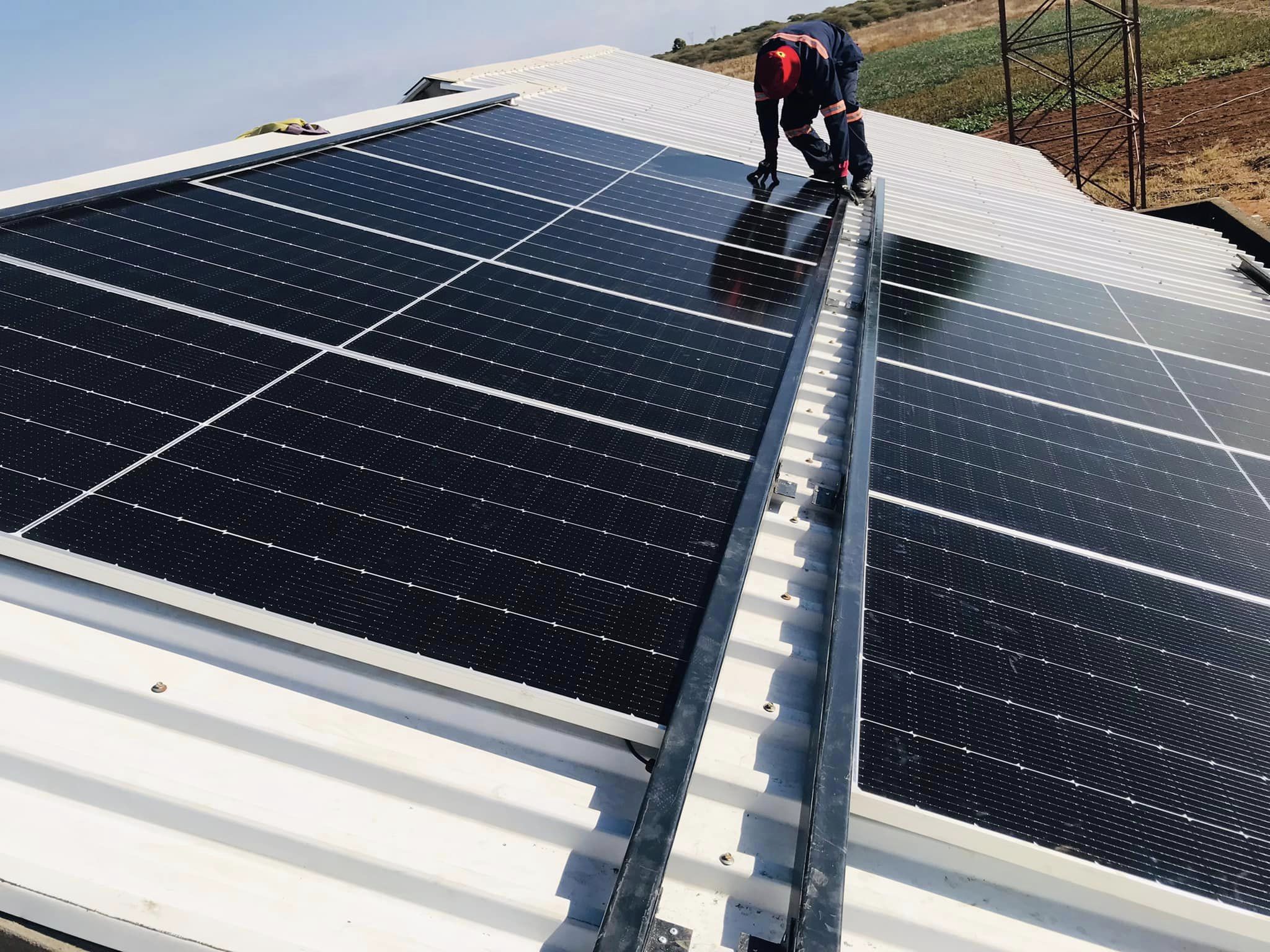 What are the types of solar panels?
 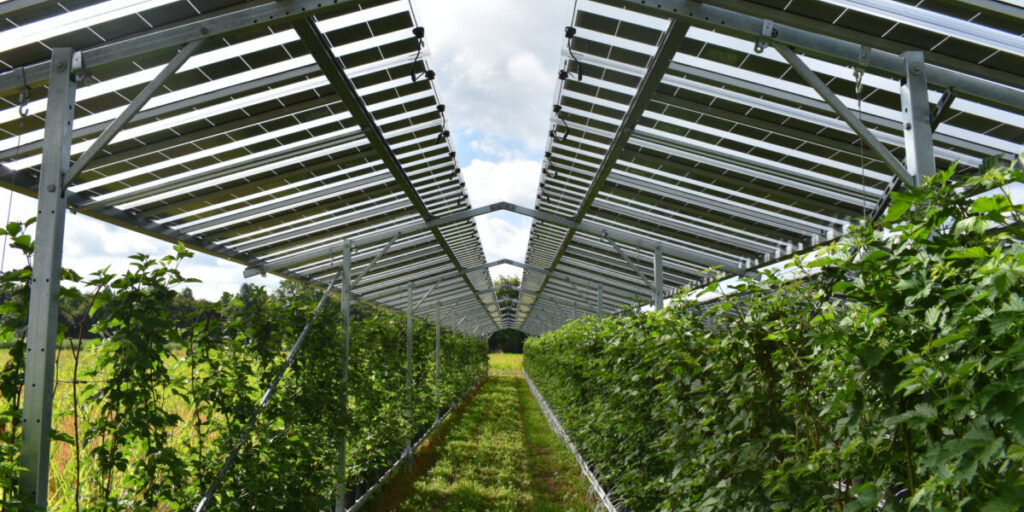 Small-scale solar good for environment, but agrivoltaics might be better
 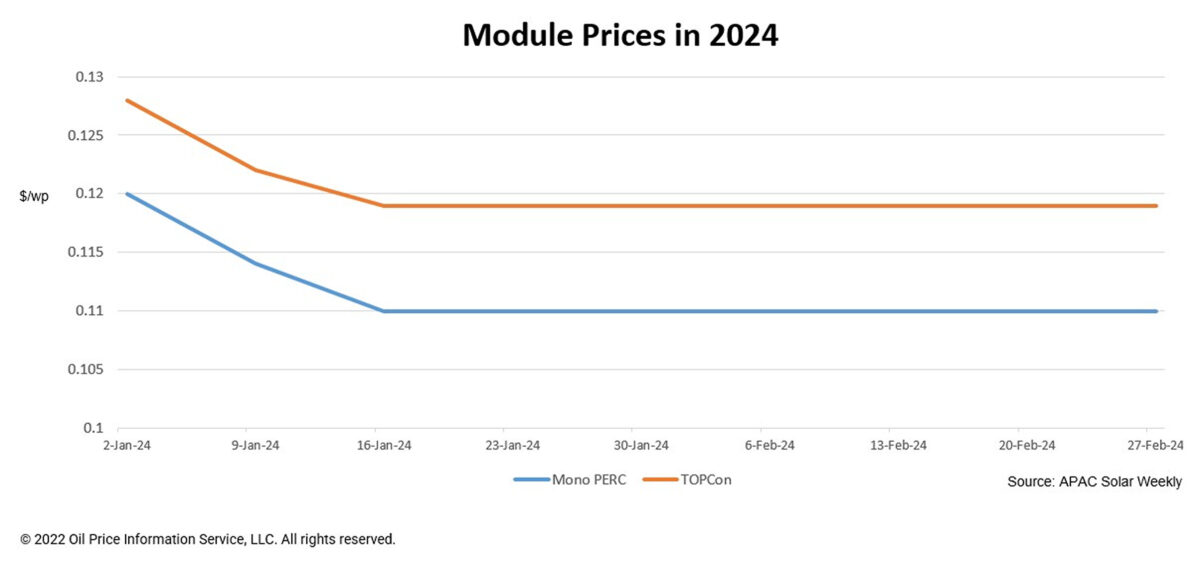 Module prices steady as market mulls price hikes
  China solar cell prices decline on sluggish downstream demand
 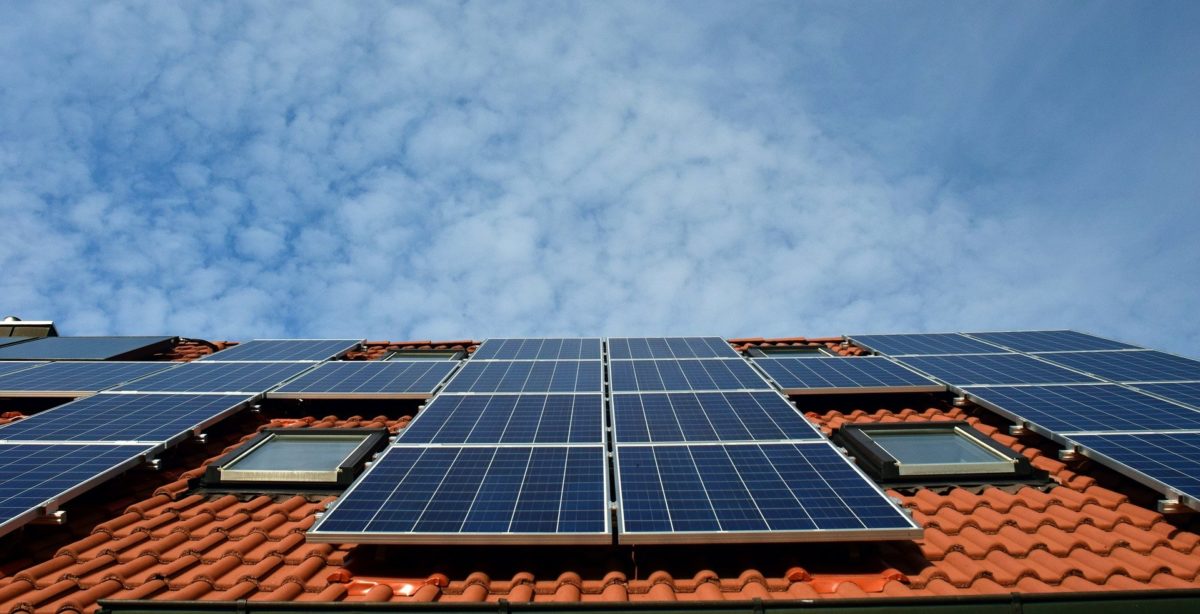 Four rooftop solar trends in 2023
  Module prices in China fall to new all-time low and manufacturers reduce production
 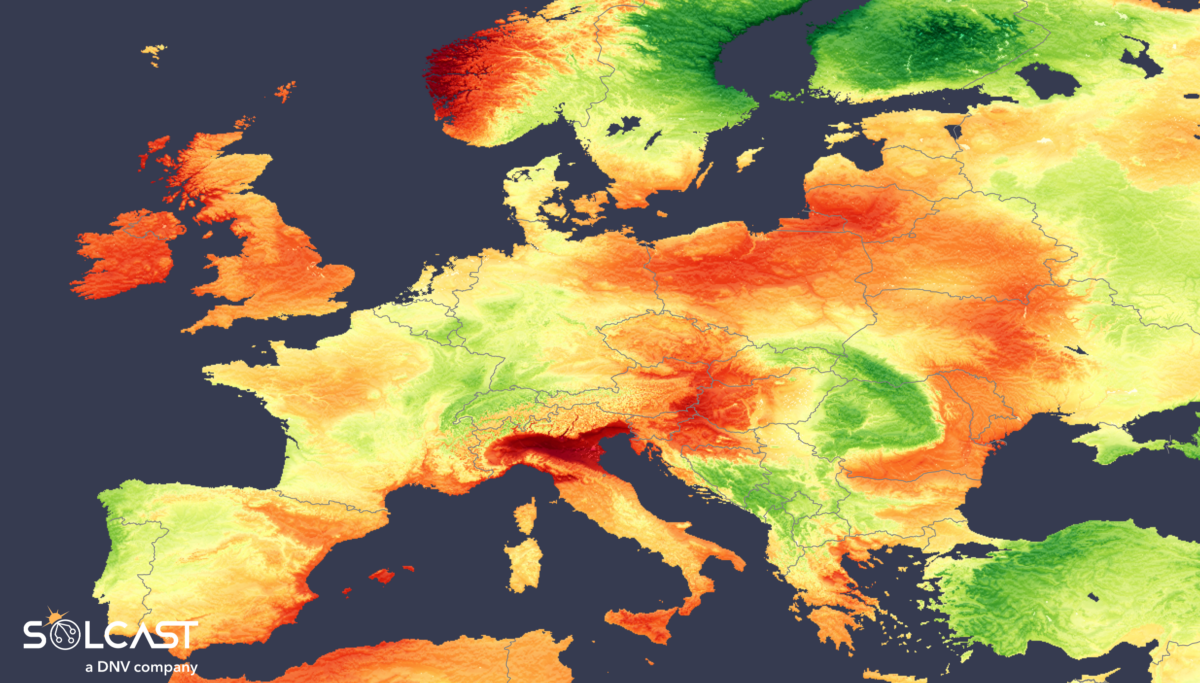 European Solar production a mixed bag in November due to Baltic Low Pressure, Storm Ciarán
 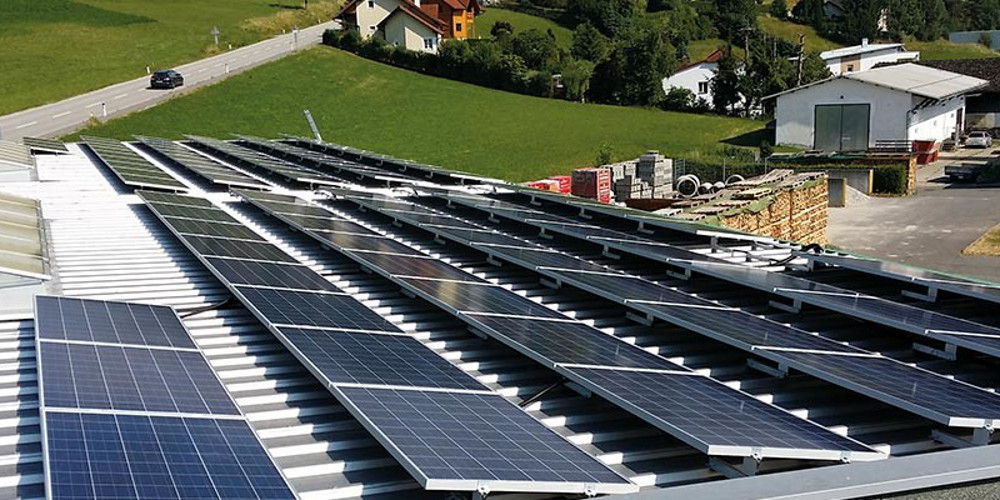 Renewables helping China to halve power prices compared to US, Europe
  Chinese module prices have reached historic lows, operating percentages are estimated at around 60%
  Summer-autumn-winter-spring: the Italian electricity market is the most expensive in Europe
 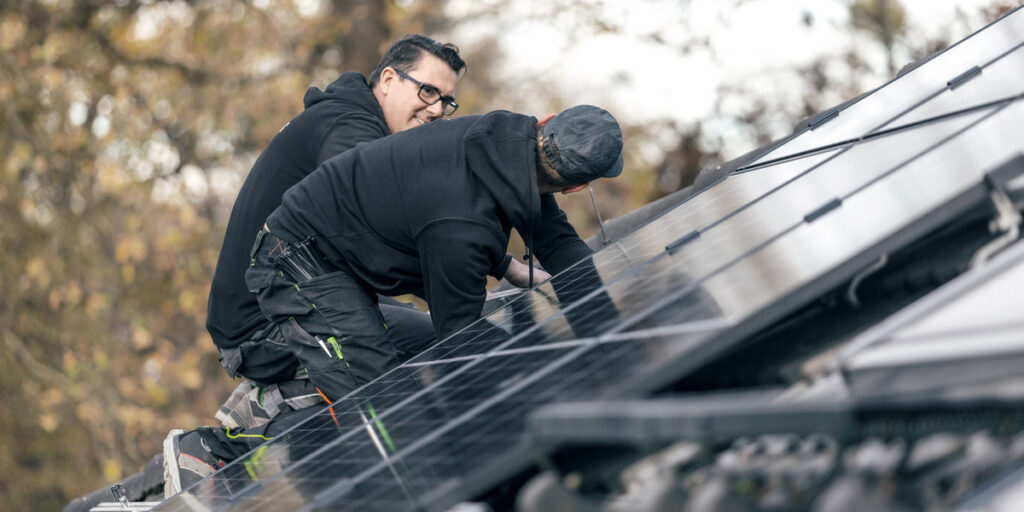 With photovoltaics and storage, 53 percent of all single-family homes in Europe could become completely energy self-sufficient
  Europe to add 58 GW of solar in 2023
  State of the Energy Union 2023, it is necessary to accelerate investments in renewables
 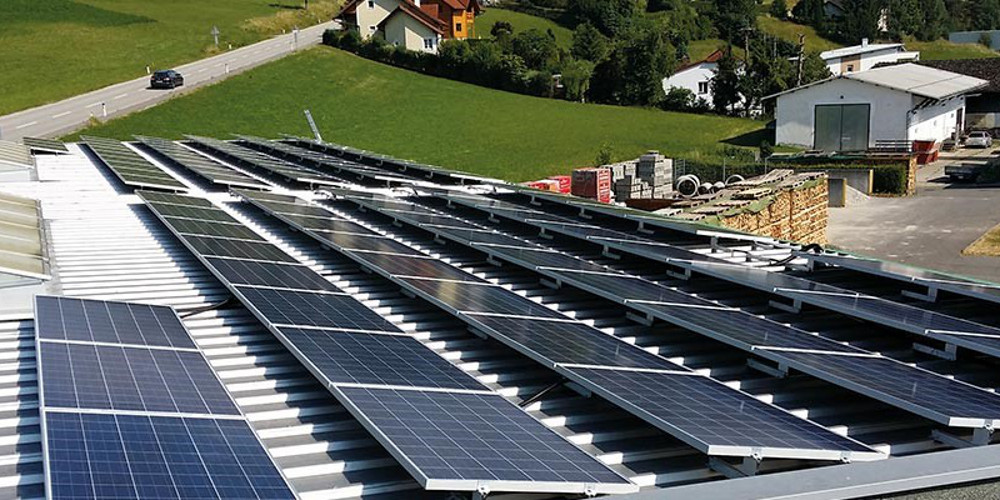 Austria slashes VAT on residential PV