
What are the types of solar panels?
2024-03-13
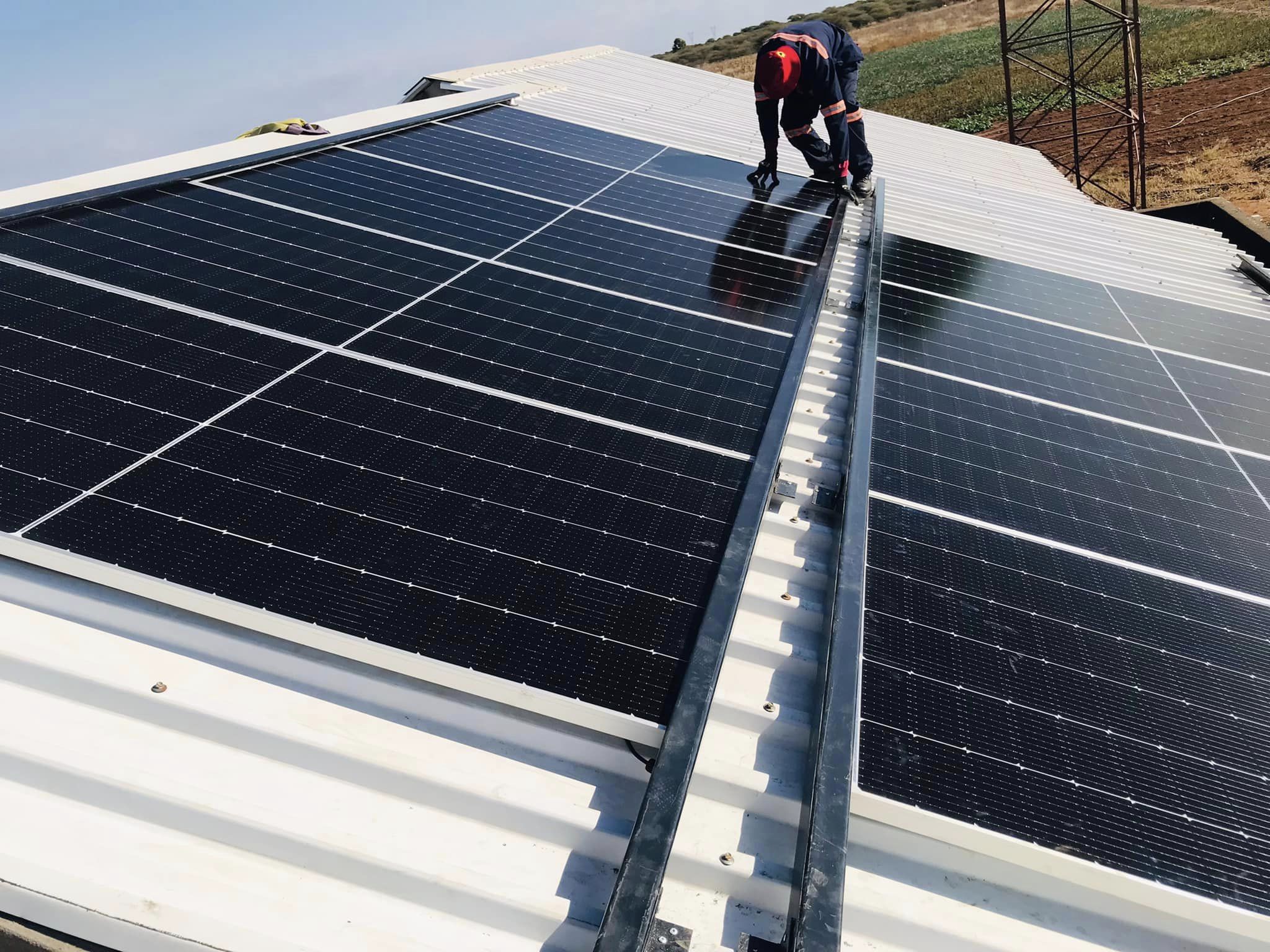
Solar panels are an essential component of any solar power system and come in various types that cater to different needs and preferences.
1. Monocrystalline solar panels
Monocrystalline solar panels are made from high-grade silicon and have a black or dark-blue uniform appearance. They are the most efficient type of solar panel, converting around 22% of sunlight into electricity. However, they are also the most expensive and are susceptible to shading.
2. Polycrystalline solar panels
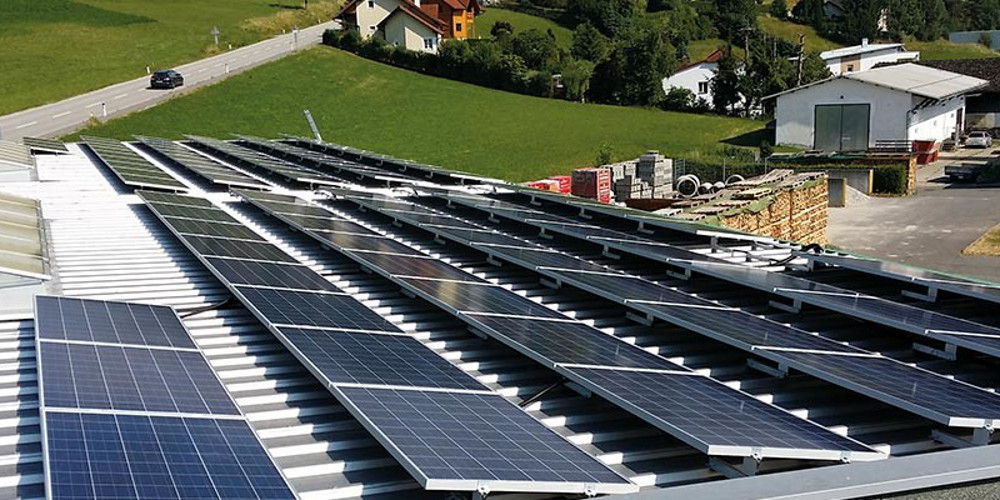
Polycrystalline solar panels are made from multiple silicon cells and have a bluish hue. They are less expensive than monocrystalline solar panels but are also less efficient, converting around 15-17% of sunlight into electricity. They are also more durable and have a longer lifespan than monocrystalline solar panels.
3. Thin-film solar panels
Thin-film solar panels are made from various materials such as cadmium telluride or copper indium gallium selenide. They are lightweight, flexible, and can be mounted on curved surfaces, making them ideal for certain applications. However, their efficiency is lower than monocrystalline and polycrystalline solar panels, converting around 7-13% of sunlight into electricity.
4. Bifacial solar panels
Bifacial solar panels have cells on both sides and can absorb sunlight from both the front and back, increasing their efficiency. They are increasingly popular for large-scale solar power systems and can be used for ground-mounted and rooftop installations.
5. Building-integrated photovoltaic (BIPV) solar panels
BIPV solar panels are integrated into building materials such as roofing tiles, cladding, or windows. They are ideal for new construction and can seamlessly blend in with the building's design. They are also less efficient than traditional solar panels and have a higher initial cost, but can provide long-term savings on energy bills.
In conclusion, each type of solar panel has its advantages and disadvantages, and the right one for you depends on your needs, budget, and preferences. Consider consulting with a solar power professional to determine which type of solar panel would be best suited for your specific needs.
1. Monocrystalline solar panels
Monocrystalline solar panels are made from high-grade silicon and have a black or dark-blue uniform appearance. They are the most efficient type of solar panel, converting around 22% of sunlight into electricity. However, they are also the most expensive and are susceptible to shading.
2. Polycrystalline solar panels
Polycrystalline solar panels are made from multiple silicon cells and have a bluish hue. They are less expensive than monocrystalline solar panels but are also less efficient, converting around 15-17% of sunlight into electricity. They are also more durable and have a longer lifespan than monocrystalline solar panels.
3. Thin-film solar panels
Thin-film solar panels are made from various materials such as cadmium telluride or copper indium gallium selenide. They are lightweight, flexible, and can be mounted on curved surfaces, making them ideal for certain applications. However, their efficiency is lower than monocrystalline and polycrystalline solar panels, converting around 7-13% of sunlight into electricity.
4. Bifacial solar panels
Bifacial solar panels have cells on both sides and can absorb sunlight from both the front and back, increasing their efficiency. They are increasingly popular for large-scale solar power systems and can be used for ground-mounted and rooftop installations.
5. Building-integrated photovoltaic (BIPV) solar panels
BIPV solar panels are integrated into building materials such as roofing tiles, cladding, or windows. They are ideal for new construction and can seamlessly blend in with the building's design. They are also less efficient than traditional solar panels and have a higher initial cost, but can provide long-term savings on energy bills.
In conclusion, each type of solar panel has its advantages and disadvantages, and the right one for you depends on your needs, budget, and preferences. Consider consulting with a solar power professional to determine which type of solar panel would be best suited for your specific needs.
 PV solar panel manufacturing downturn to extend into 2026
  SUSTAINABLE DEVELOPMENT BY INDUSTRY STANDARDS
 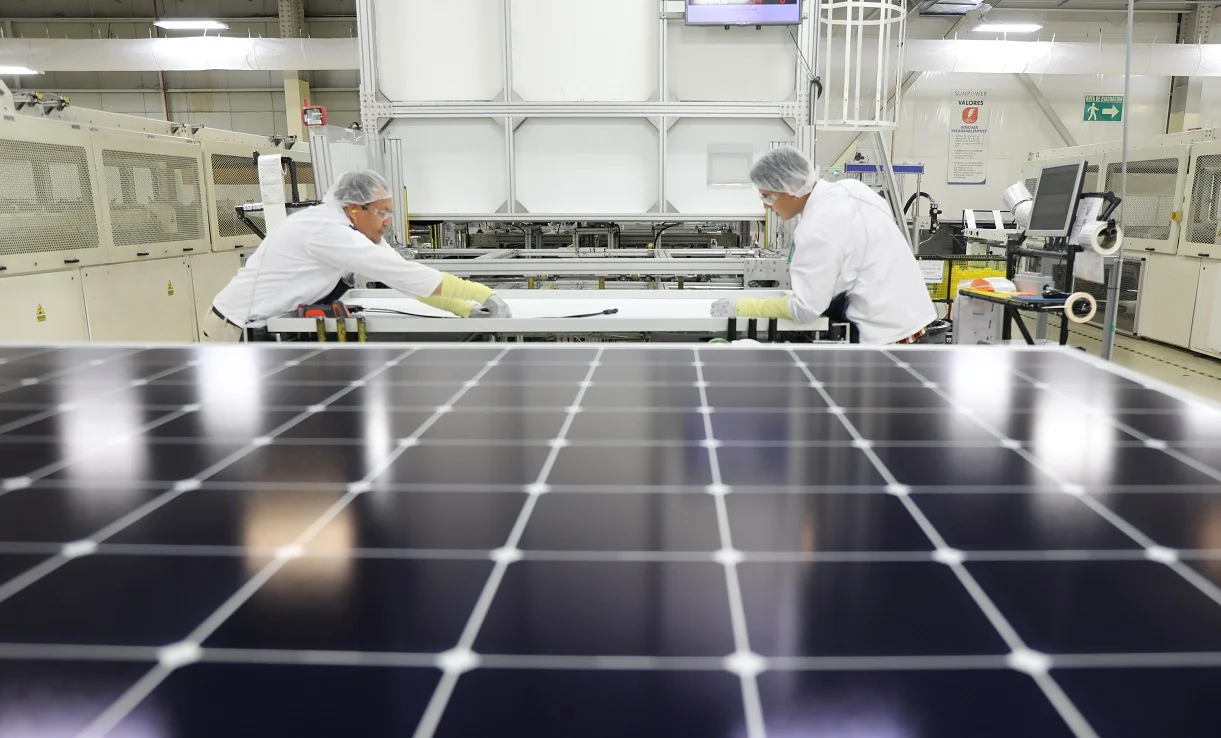 Maxeon posts US$14.9 million losses in delayed Q1 ’24 results
  Chinese PV Industry Brief: New PV hit 36.72 GW in January-February period
 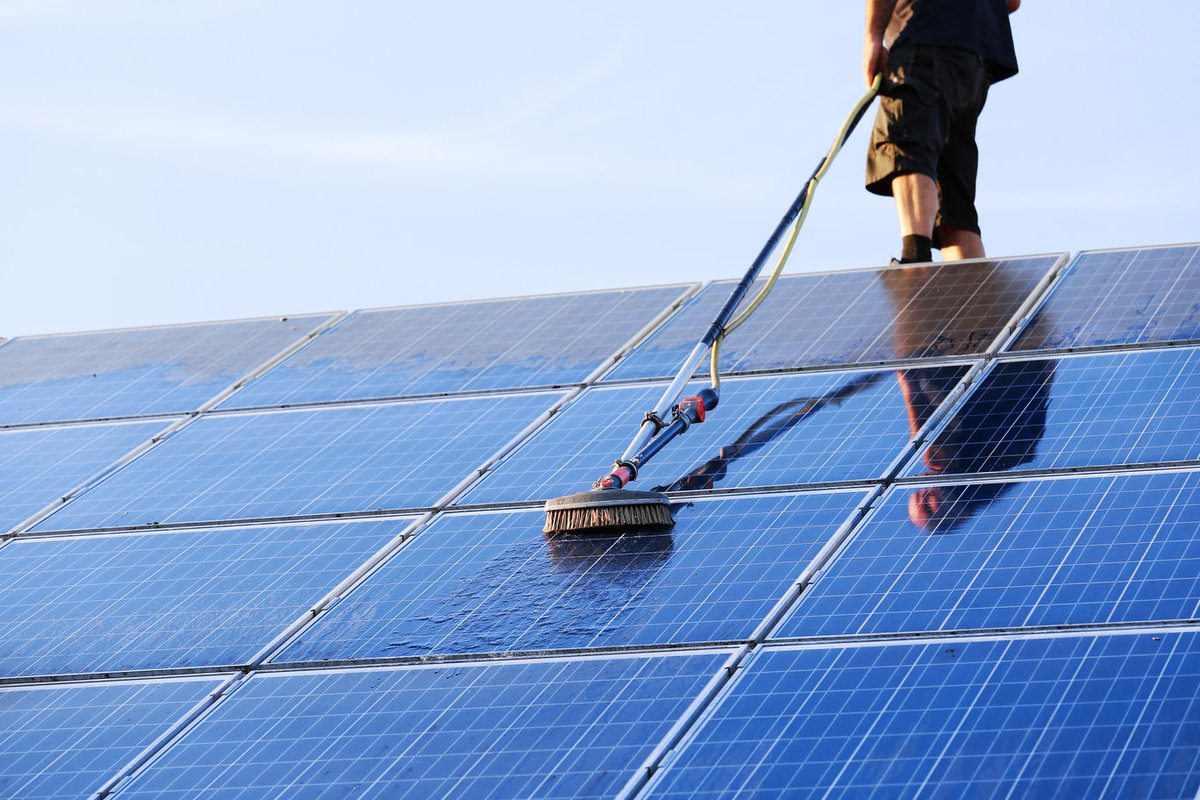 How to maintain solar panels
 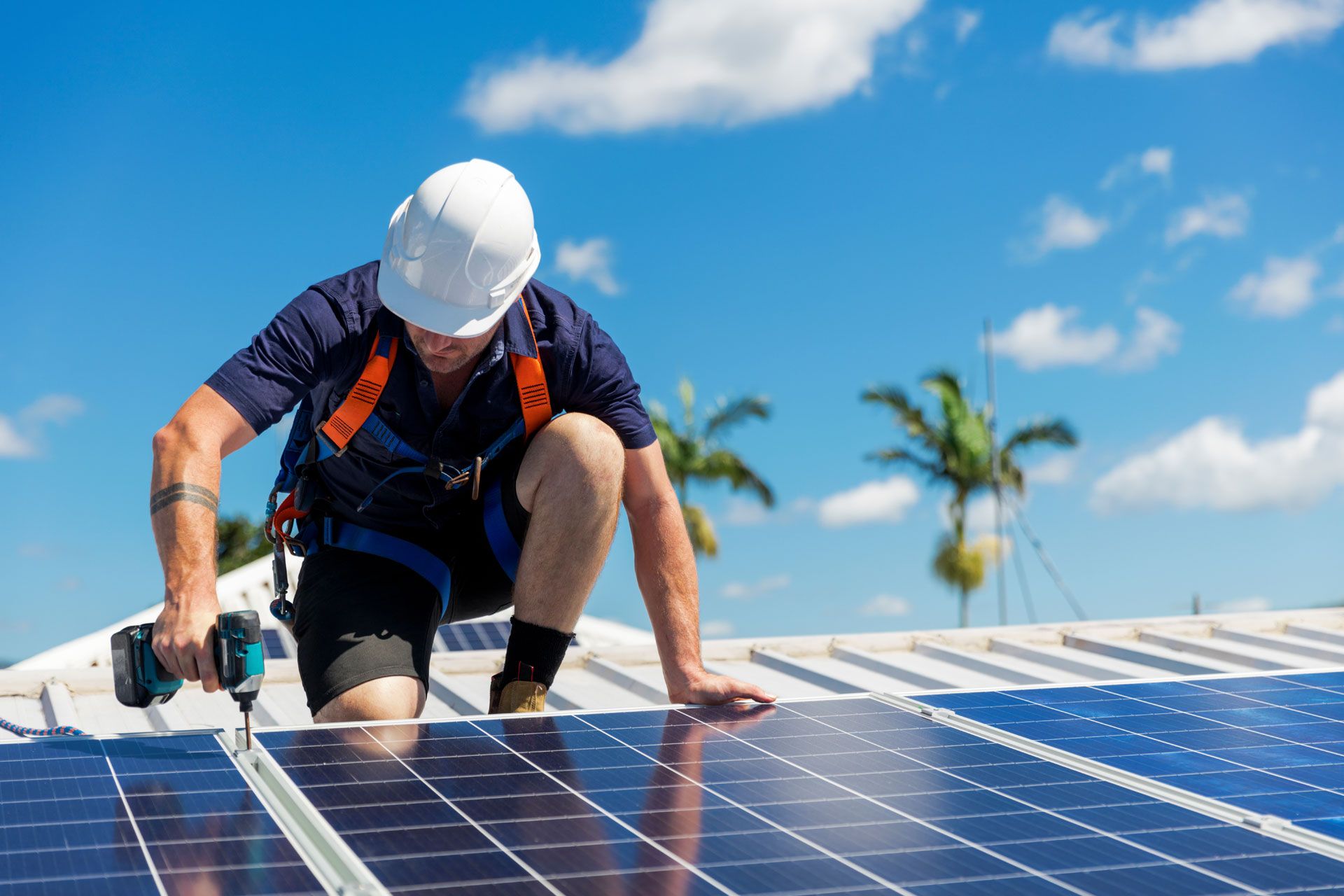 How to Installing solar panels?
  Small-scale solar good for environment, but agrivoltaics might be better
  Module prices steady as market mulls price hikes
  China solar cell prices decline on sluggish downstream demand
  Four rooftop solar trends in 2023
  Photovoltaic expansion in 2023: Germany will reach 14 gigawatts, Europe will reach 56 gigawatts
  Module prices in China fall to new all-time low and manufacturers reduce production
  European Solar production a mixed bag in November due to Baltic Low Pressure, Storm Ciarán
  Renewables helping China to halve power prices compared to US, Europe
  Chinese module prices have reached historic lows, operating percentages are estimated at around 60%
  Summer-autumn-winter-spring: the Italian electricity market is the most expensive in Europe
  With photovoltaics and storage, 53 percent of all single-family homes in Europe could become completely energy self-sufficient
  Europe to add 58 GW of solar in 2023
  State of the Energy Union 2023, it is necessary to accelerate investments in renewables
  Austria slashes VAT on residential PV