
How long do residential solar batteries last?

Residential energy storage has become an increasingly popular feature of home solar energy. A recent survey of more than 1,500 households conducted by SunPower found that about 40% of Americans regularly worry about power outages. 70% of respondents who considered installing a solar system in their homes said they wanted to include a battery storage system.
In addition to providing backup power during outages, many batteries are integrated with technology that allows the import and export of energy to be intelligently scheduled. The goal is to maximize the value of your home's solar system. Additionally, some batteries are optimized to integrate an electric vehicle charger.
The report found a sharp increase in consumer interest in storage to self-power solar generation, suggesting that reductions in net metering tariffs are discouraging electricity sales. Nearly 40% of consumers cited self-supply as a reason for getting a storage quote, up from less than 20% in 2022. Backup power for outages and tariff savings were also cited as the main reasons to include energy storage in a quote.
According to Lawrence Berkeley National Laboratory, in 2020, 8.1% of residential solar systems were equipped with batteries, and in 2022 that percentage exceeded 17%.
Warranty periods can provide insight into installers' and manufacturers' expectations regarding the lifespan of a battery. The most common warranty periods are typically around 10 years. The Enphase IQ battery warranty, for example, ends after 10 years or 7,300 cycles, whichever comes first.
Solar installer Sunrun said the batteries can last five to 15 years. This means that a replacement will likely be needed during the 20-30 year life of a solar system.
The life expectancy of batteries is mainly determined by usage cycles. As LG and Tesla product warranties demonstrate, the 60% or 70% capacity thresholds are guaranteed for a certain number of charging cycles.
There are two usage scenarios that determine this degradation: overcharging and trickle charging, according to the Faraday Institute. Overcharging is the act of pushing current into a fully charged battery. This can cause the battery to overheat or even potentially cause a fire.
Trickle charging involves a process in which the battery is continuously charged up to 100%, with inevitable losses.
Another cause of degradation over time is the loss of mobile lithium ions in the battery, Faraday said. Side reactions in the battery can trap usable free lithium, thus gradually reducing capacity.
While cold temperatures can stunt the performance of a lithium-ion battery, they don't actually degrade it or shorten its actual life. However, overall battery life decreases at high temperatures, Faraday explained. This is because the electrolyte between the electrodes breaks down at high temperatures, causing the battery to lose its lithium ion-carrying capacity. This can reduce the number of lithium ions that the electrode can accommodate in its structure, depleting the capacity of the lithium-ion battery.
Maintenance
The National Renewable Energy Laboratory (NREL) recommends installing the battery in a cool, dry location, preferably in a garage, where the impact of a fire (a small but not zero threat) can be minimized. Batteries and the components surrounding them must be adequately spaced to allow for cooling, and regular maintenance checks can be helpful in ensuring optimal operation.
NREL said that repeatedly deep discharging batteries should be avoided whenever possible, as the more they are discharged, the shorter their life. If your home battery is being deeply discharged every day, it may be time to increase the size of your battery bank.
According to NREL, batteries in series should be kept at the same charge. Even though the entire battery bank may show an overall charge of 24 volts, the voltage may vary between batteries, which is less beneficial for protecting the entire system in the long term. Inspections should also be frequent, according to NREL.
PRODUCT
 PV solar panel manufacturing downturn to extend into 2026
  SUSTAINABLE DEVELOPMENT BY INDUSTRY STANDARDS
  Maxeon posts US$14.9 million losses in delayed Q1 ’24 results
  Chinese PV Industry Brief: New PV hit 36.72 GW in January-February period
 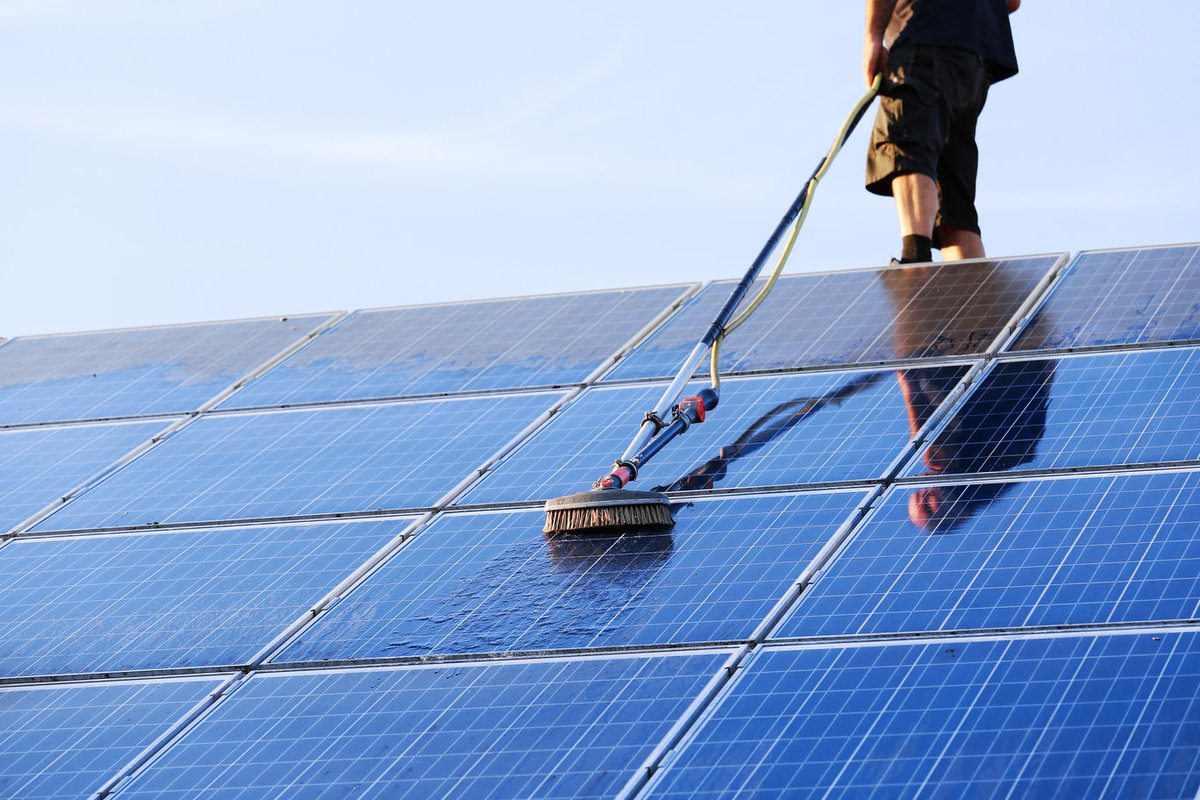 How to maintain solar panels
 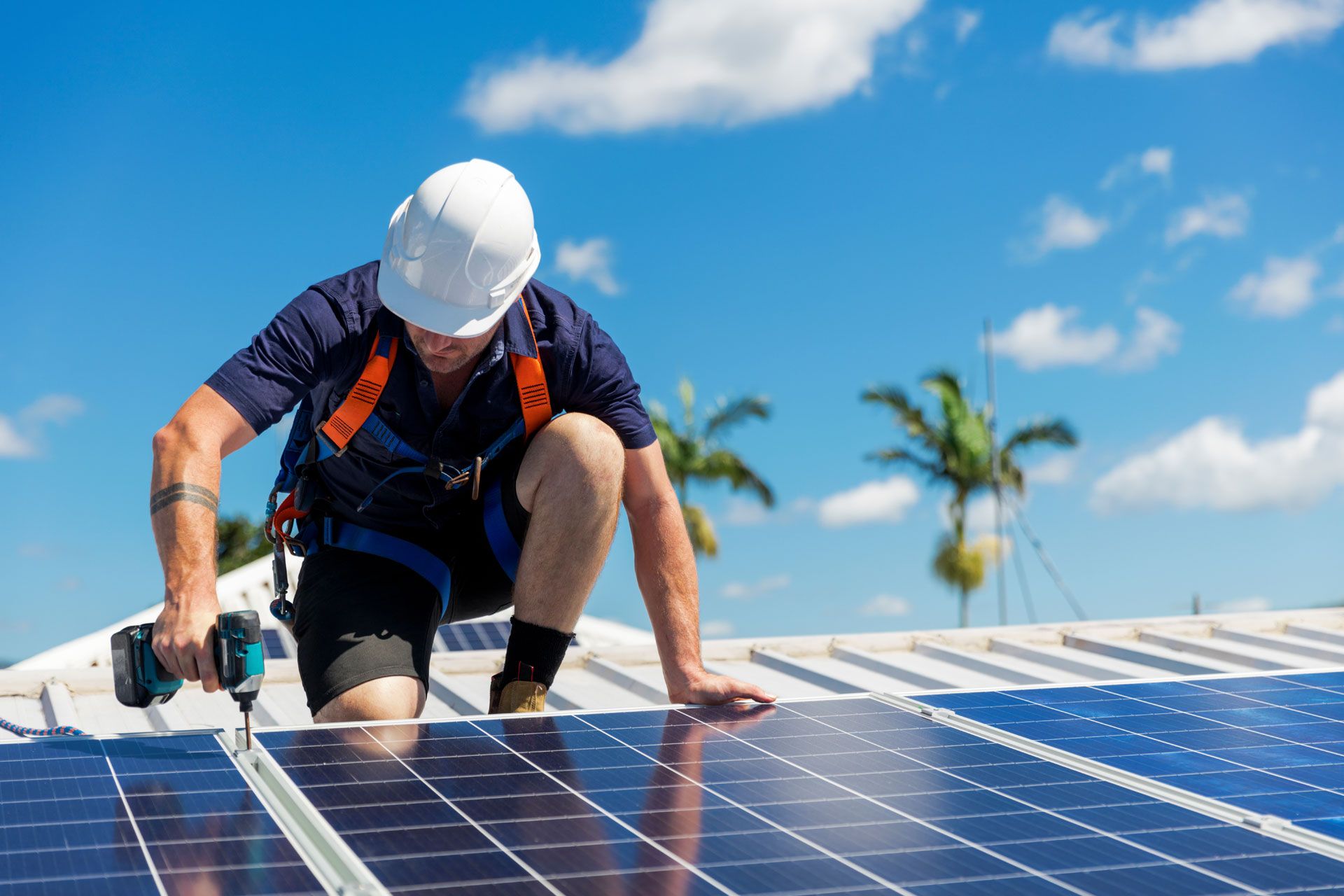 How to Installing solar panels?
 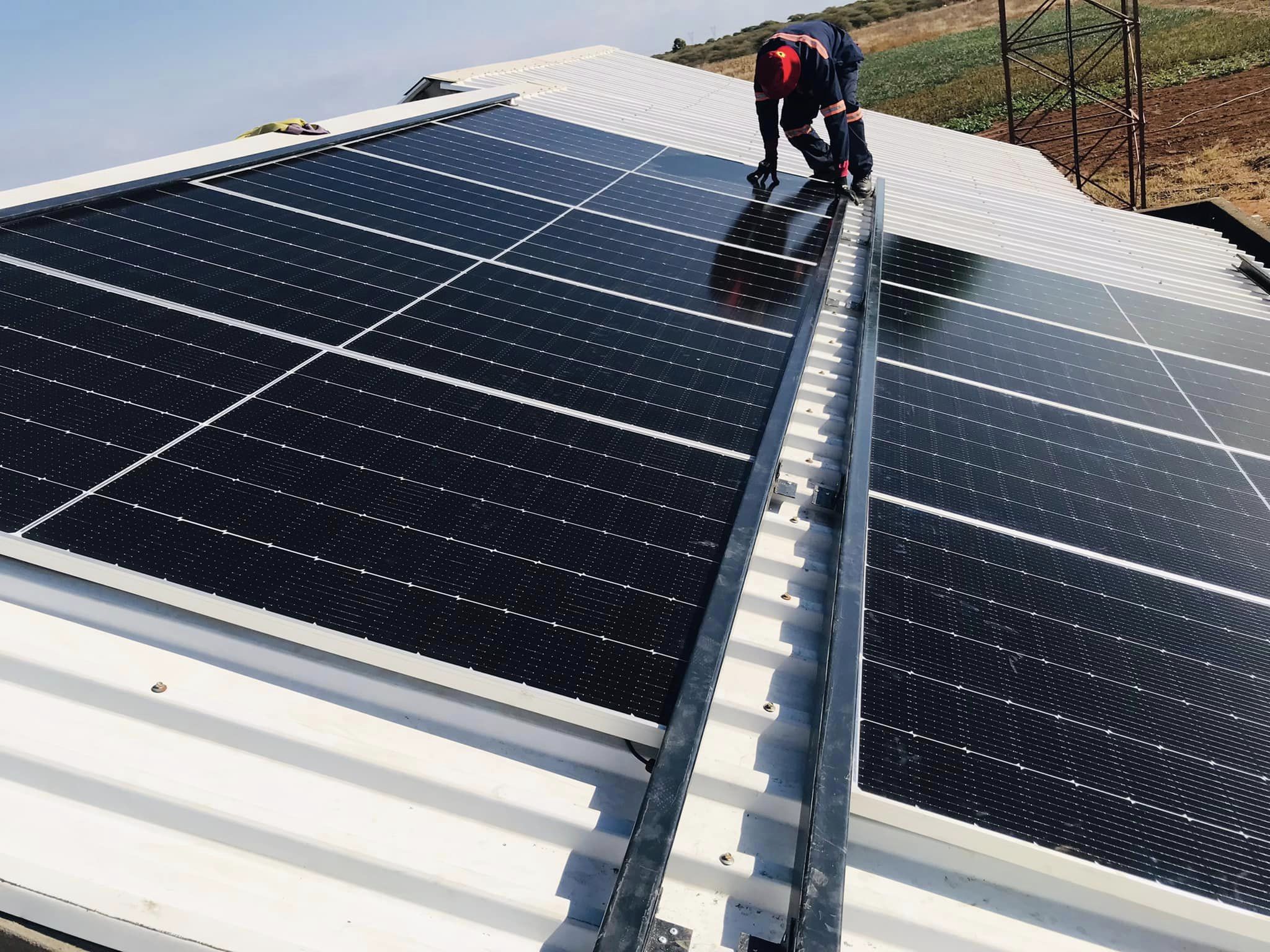 What are the types of solar panels?
 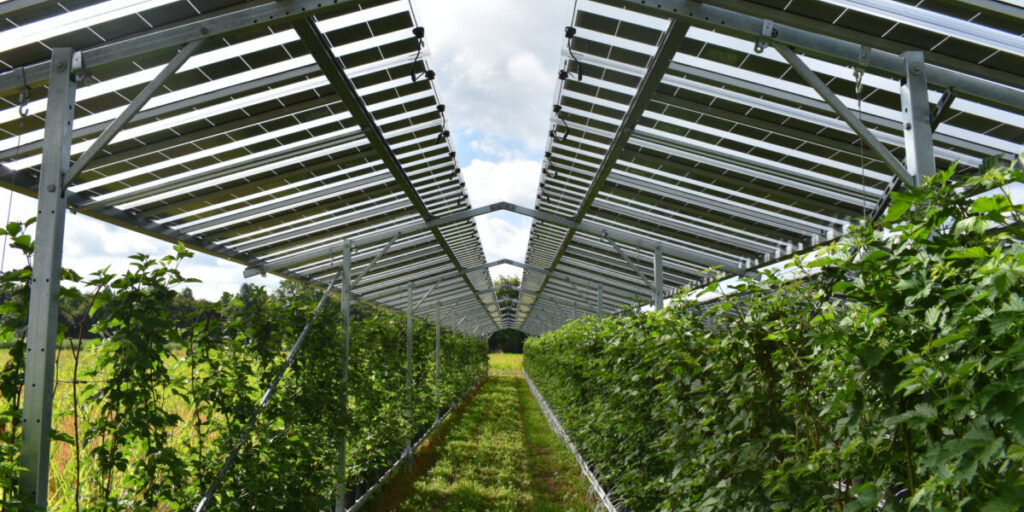 Small-scale solar good for environment, but agrivoltaics might be better
 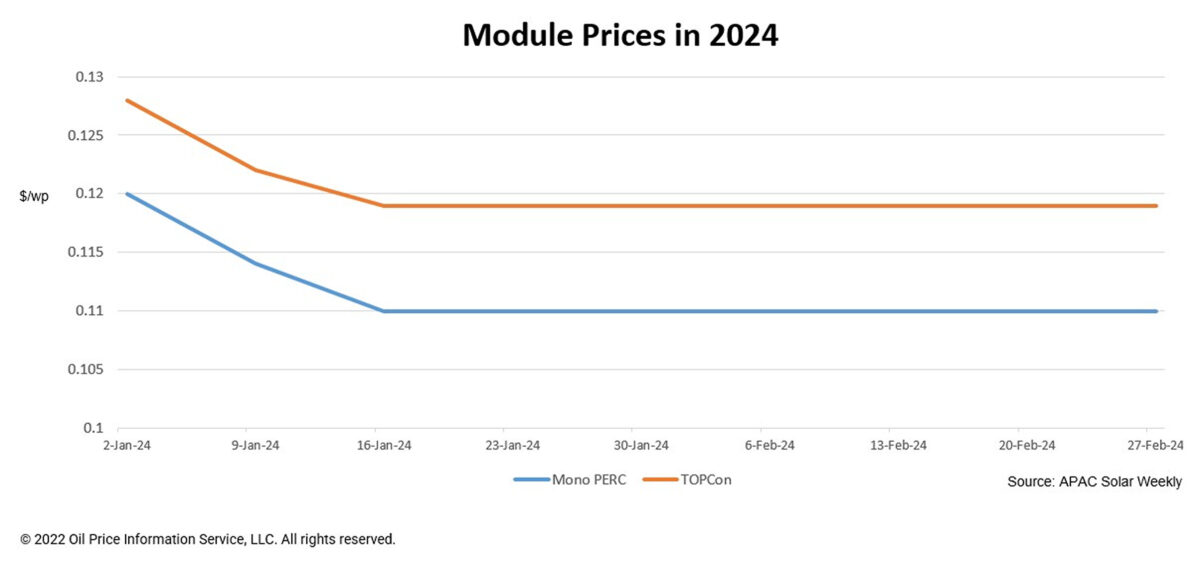 Module prices steady as market mulls price hikes
  China solar cell prices decline on sluggish downstream demand
 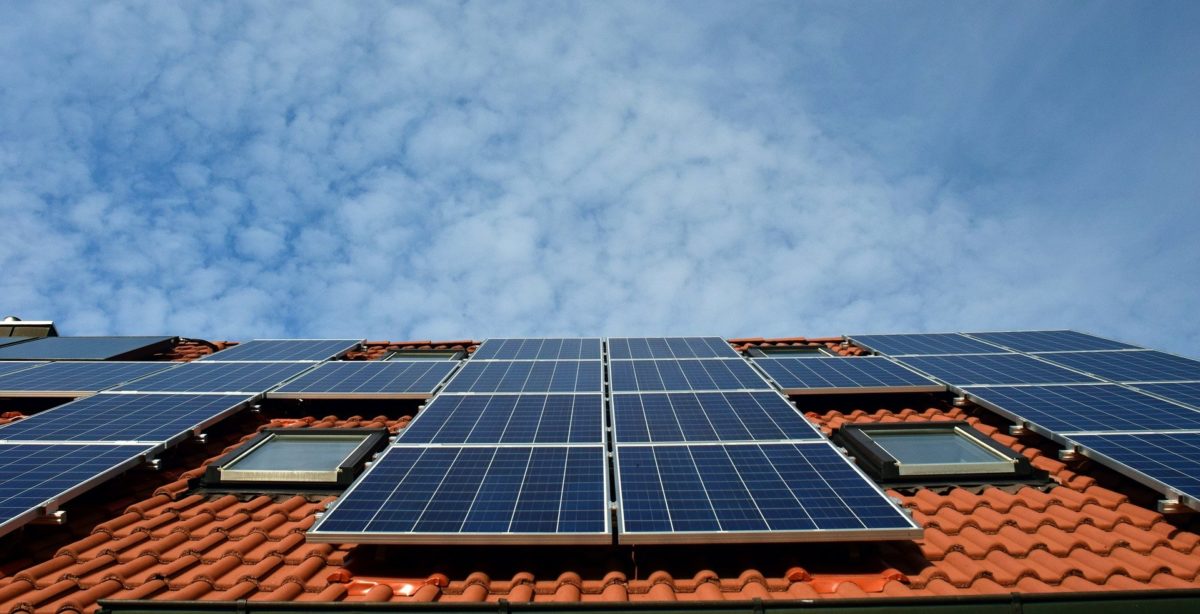 Four rooftop solar trends in 2023
 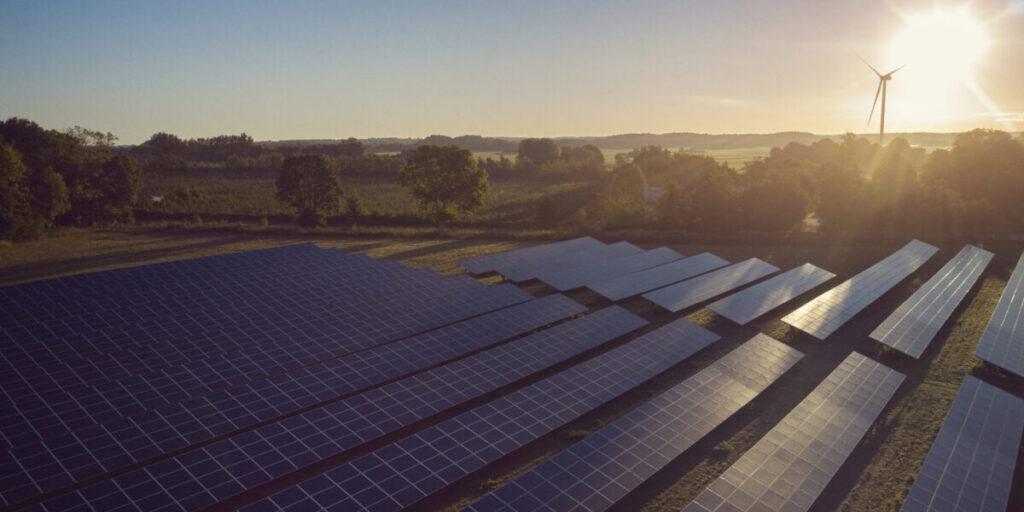 Photovoltaic expansion in 2023: Germany will reach 14 gigawatts, Europe will reach 56 gigawatts
  Module prices in China fall to new all-time low and manufacturers reduce production
  European Solar production a mixed bag in November due to Baltic Low Pressure, Storm Ciarán
 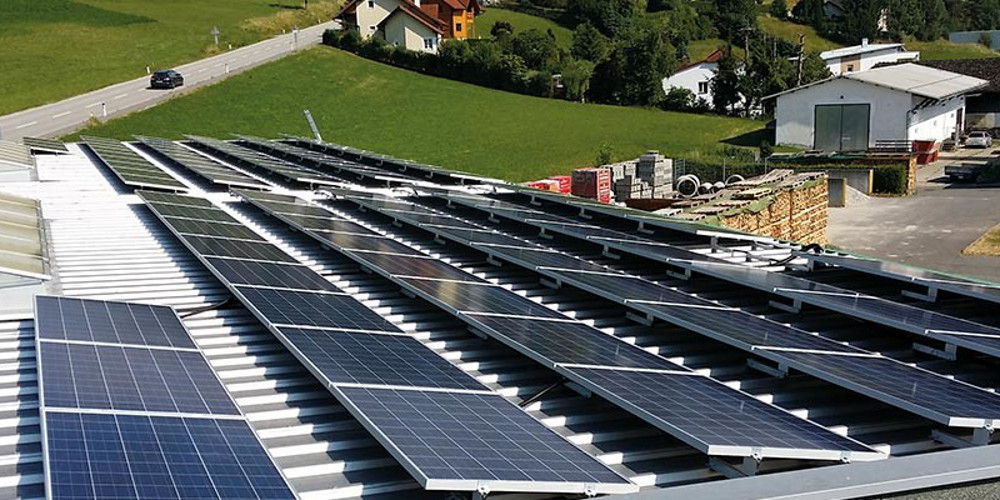 Renewables helping China to halve power prices compared to US, Europe
  Chinese module prices have reached historic lows, operating percentages are estimated at around 60%
  Summer-autumn-winter-spring: the Italian electricity market is the most expensive in Europe
  With photovoltaics and storage, 53 percent of all single-family homes in Europe could become completely energy self-sufficient
  Europe to add 58 GW of solar in 2023
  State of the Energy Union 2023, it is necessary to accelerate investments in renewables