
Final approval in the EU of the renewable target of 42.5% for 2030, which must be applied in a maximum of 18 months
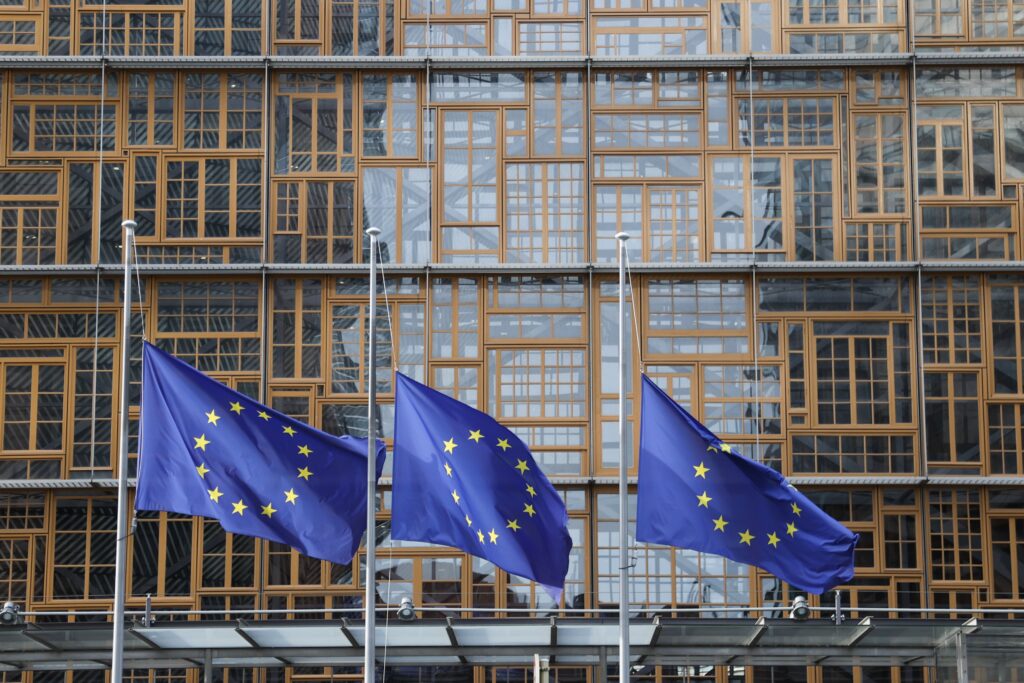
It is already a fact: the new directive on renewable energies, which raises the European Union's objective for 2030 to 42.5% and adds an additional indicative complement of 2.5% in order to reach a renewable share of 45 % in the energy mix , has been formally adopted by the Council, which presides over Spain until December 31. It will then be published in the Official Journal of the EU and will enter into force twenty days later. Member States will have eighteen months after the entry into force of the Directive to transpose it into their national law.
The new rule will also speed up the permitting procedures for renewable energy projects, which will take 24 months. To this end, Member States will designate renewable energy acceleration zones in which the permitting processes for these energies will be simplified and streamlined. The implementation of renewable energy will also be presumed to be in the “overriding public interest”, which will limit the grounds for raising legal objections to new installations.
Specific objectives
The regulations establish specific objectives for the different sectors so that the presence of renewables in them can increase. For example, the directive sets an indicative target of at least a 49% share of renewables in buildings by 2030 and a gradual increase for heating and cooling, with a binding increase of 0.8% per year at national level. until 2026 and 1.1% from 2026 to 2030. The minimum average annual percentage applicable to all Member States is complemented by additional indicative increases calculated specifically for each Member State.
The Directive establishes that the industry must increase the use of renewable energy by 1.6% annually. Member States have agreed that hydrogen used in industry must come from renewable fuels of non-biological origin at a rate of 42% by 2030 and 60% by 2035.
Member States will have the possibility to reduce by 20% the contribution of renewable fuels of non-biological origin used for industry under two conditions: that the national contribution of Member States to the EU's total binding target reaches its planned level; that the share of hydrogen from fossil fuels consumed in the Member State does not exceed 23% in 2030 or 20% in 2035.
They will also have the possibility to choose between a binding target of 14.5% reduction of greenhouse gas intensity in transport through the use of renewable energy by 2030; or a binding quota of at least 29% of renewable energy in final energy consumption in the transport sector by 2030.
The new rules establish a binding combined sub-target of 5.5% for advanced biofuels (generally derived from feedstocks not produced from food crops) and renewable fuels of non-biological origin (mainly renewable hydrogen and hydrogen-based synthetic fuels ) in the share of renewable energies supplied to the transport sector . Within this objective, there is a minimum requirement of 1% renewable fuels of non-biological origin in the share of renewable energy supplied to the transport sector in 2030.
PRODUCT
 PV solar panel manufacturing downturn to extend into 2026
  SUSTAINABLE DEVELOPMENT BY INDUSTRY STANDARDS
  Maxeon posts US$14.9 million losses in delayed Q1 ’24 results
  Chinese PV Industry Brief: New PV hit 36.72 GW in January-February period
 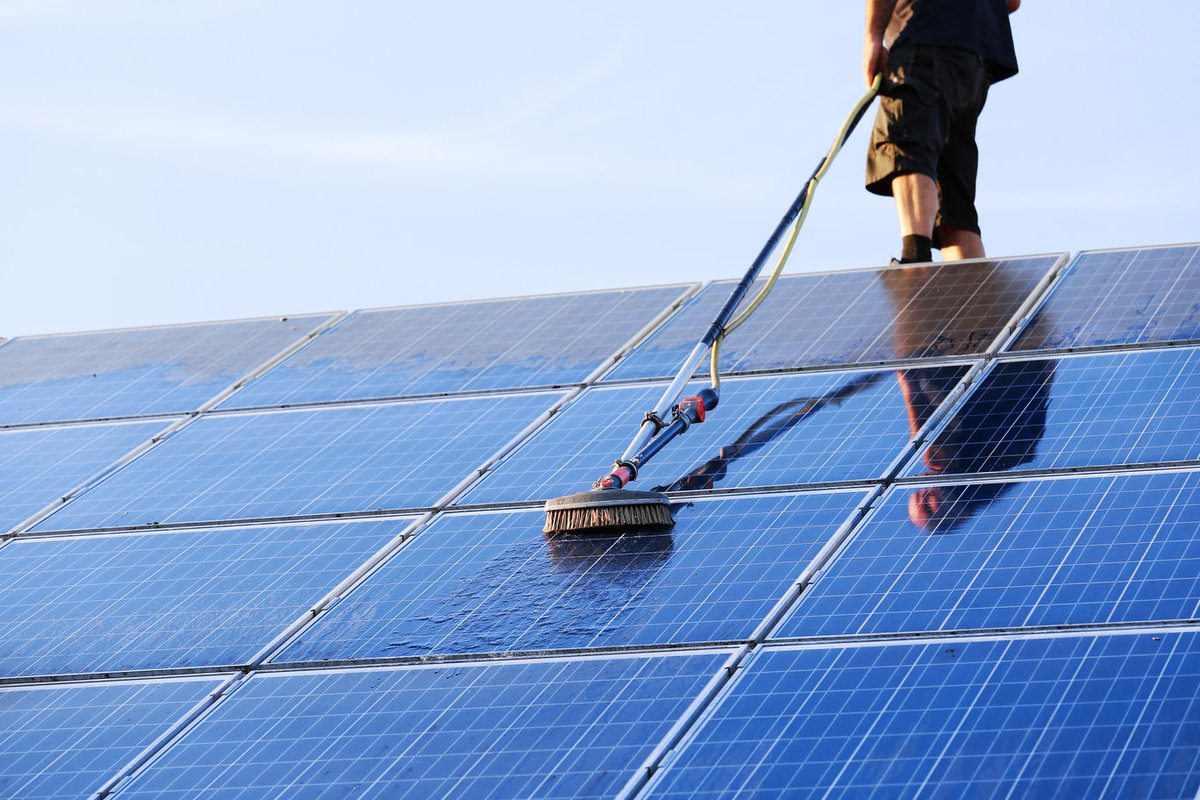 How to maintain solar panels
  How to Installing solar panels?
  What are the types of solar panels?
  Small-scale solar good for environment, but agrivoltaics might be better
  Module prices steady as market mulls price hikes
  China solar cell prices decline on sluggish downstream demand
 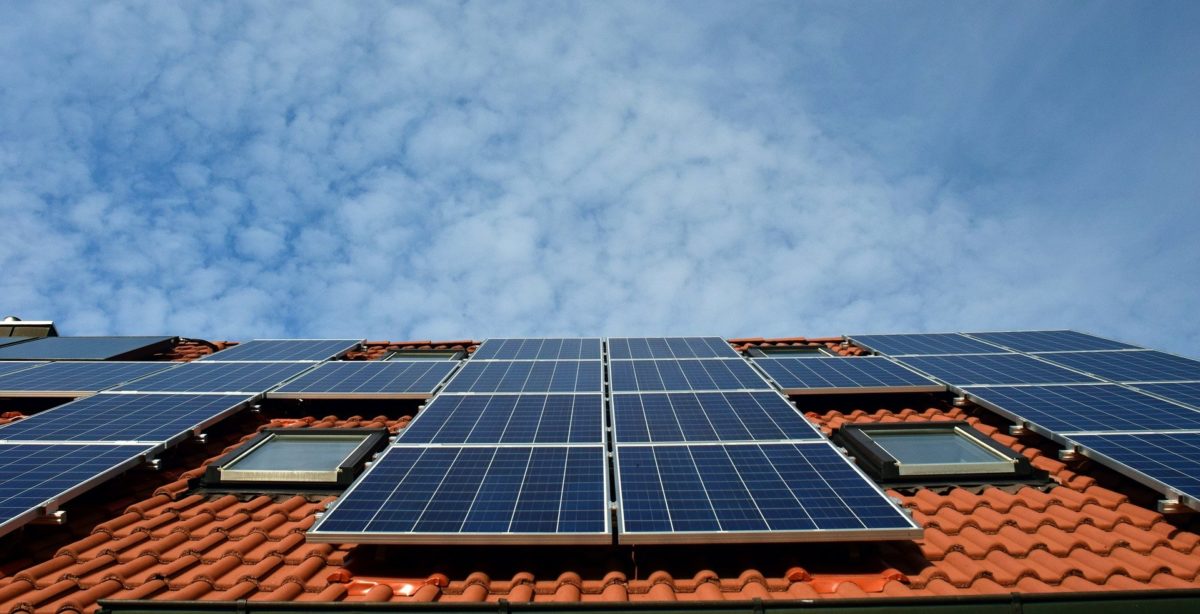 Four rooftop solar trends in 2023
 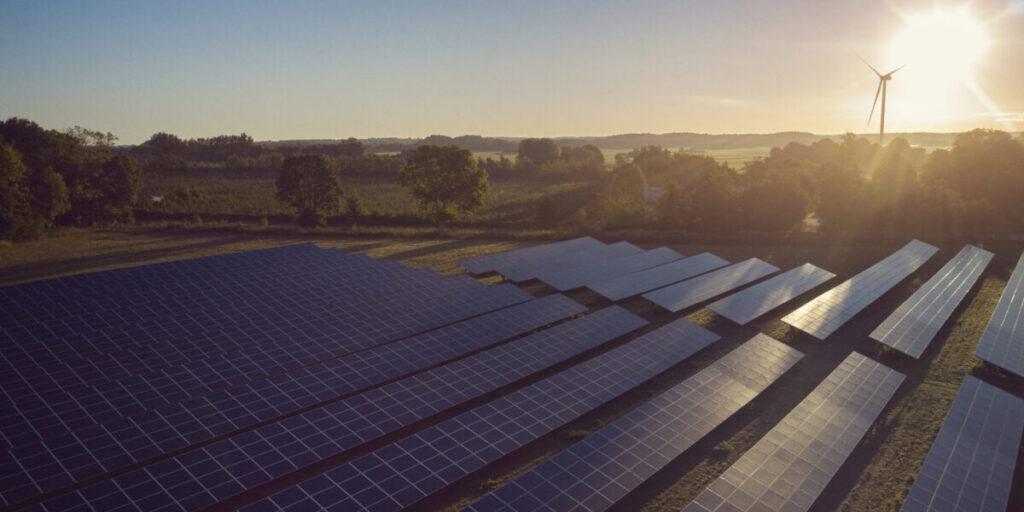 Photovoltaic expansion in 2023: Germany will reach 14 gigawatts, Europe will reach 56 gigawatts
  Module prices in China fall to new all-time low and manufacturers reduce production
 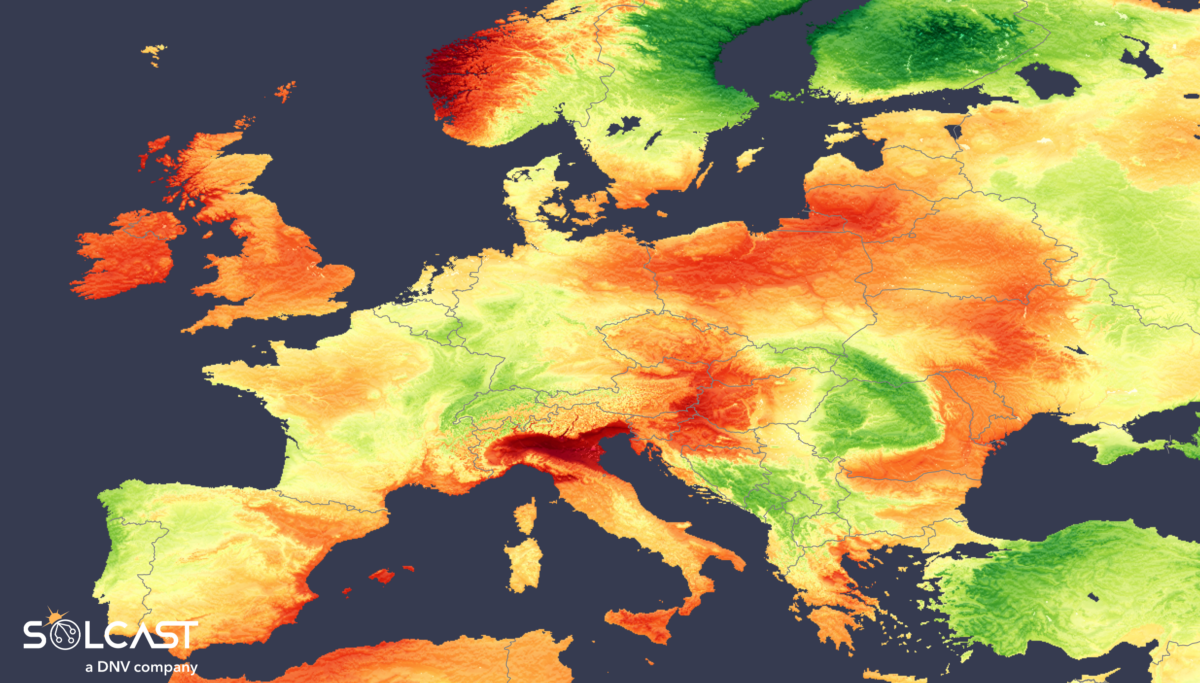 European Solar production a mixed bag in November due to Baltic Low Pressure, Storm Ciarán
 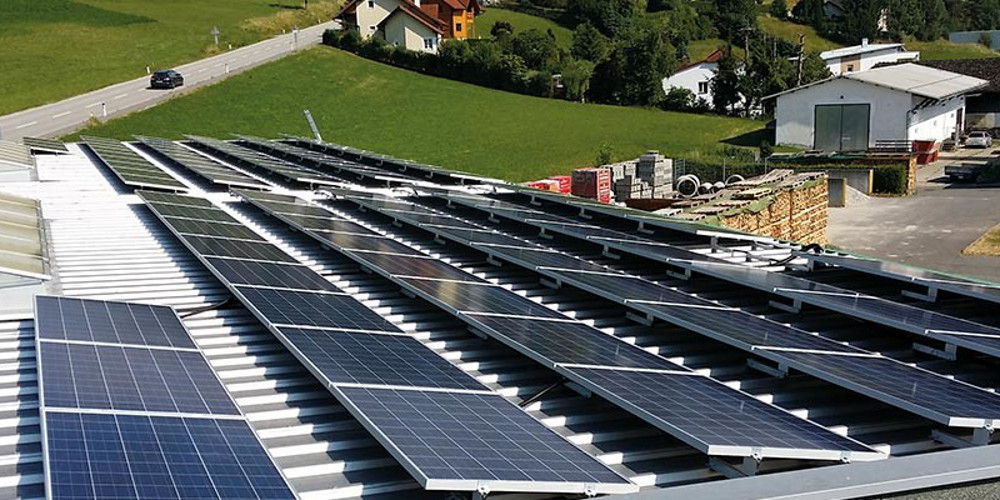 Renewables helping China to halve power prices compared to US, Europe
  Chinese module prices have reached historic lows, operating percentages are estimated at around 60%
  Summer-autumn-winter-spring: the Italian electricity market is the most expensive in Europe
  With photovoltaics and storage, 53 percent of all single-family homes in Europe could become completely energy self-sufficient
  Europe to add 58 GW of solar in 2023
  State of the Energy Union 2023, it is necessary to accelerate investments in renewables