
Dutch parliament approves proposal to phase out net metering
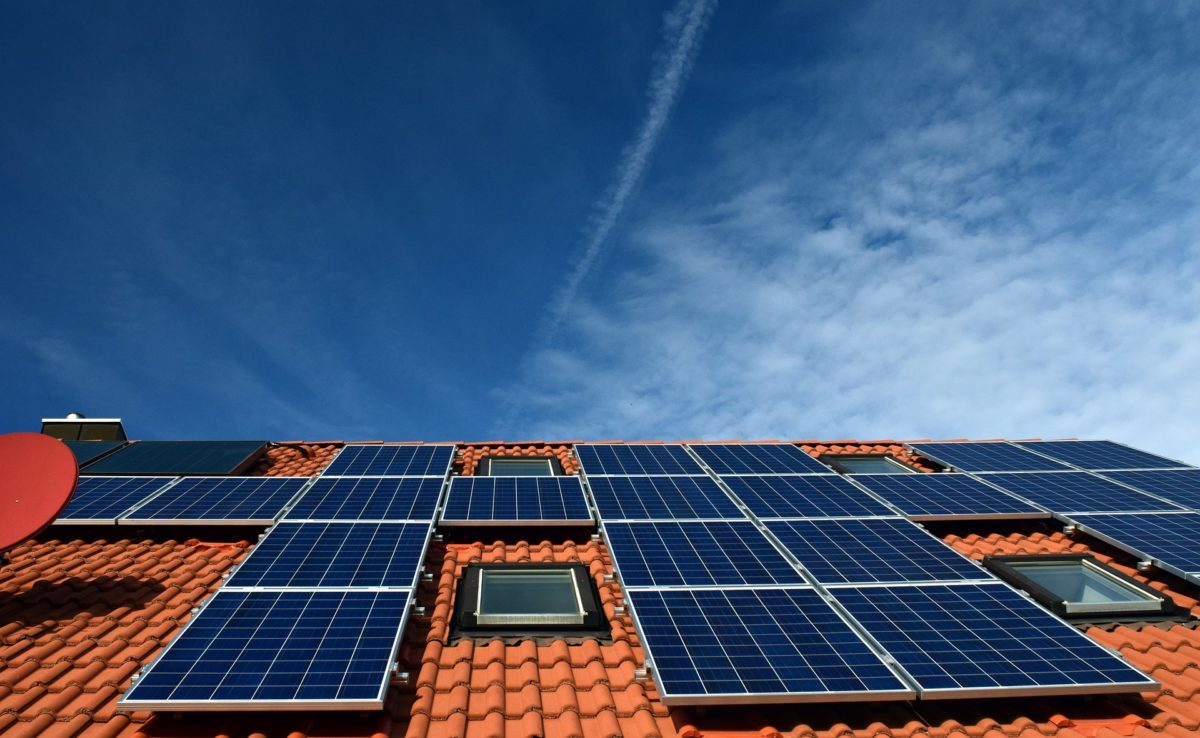
The Dutch House of Representatives has approved a legal proposal submitted by Energy Minister Rob Jetten to phase out the country's net-metering scheme, with a narrow majority.
“Maintaining the net metering mechanism puts a brake on the long-term growth of the rooftop solar market and thus the energy transition and it is therefore important that this proposal is adopted,” said Wijnand van Hooff, general manager of Holland Solar, a Dutch trade group.
If approved by the Senate, the new provisions could still ensure a payback time of around seven years for new PV system owners, while favoring the deployment of residential batteries. The time frame for the phasing out of the scheme is still unclear, however.
Dutch PV analyst Peter Segaar said the new rules might not ensure the same high growth volumes of recent years.
“Residential PV will grow further, but at a slower pace which is good, as installers are totally overworked, with risk of cheap, low-quality systems,” he told pv magazine. “The surpluses in summer are so high and an expensive battery may be full in a blink of an eye.”
The proposal could still ensure the further development of the residential PV segment in the country, but only if specific incentive schemes for batteries are introduced.
In 2021, Netbeheer Nederland, the Dutch association of electricity and gas network operators, and Energy Storage NL proposed the phasing-out of the net-metering regime, in combination with a rebate program for storage systems. They said that would make it possible to bring battery technologies to commercial maturity in the Dutch market by as early as this year. They said solar capacity is growing too quickly and that grid bottlenecks are becoming a serious issue, especially for the nation's low-voltage network.
The Dutch government modified the net-metering scheme in 2020 and it is expected to remain in force, if not in modified form, until 2030. Since the provisions were put into place, net-metering payments for excess power will fall in value by 9% per year. These tariffs still ensure reasonable payback times and continue to drive the growth of the country's residential PV market.
The Netherlands Environmental Assessment Agency recently estimated that the country could reach 27 GW of installed PV capacity by 2030. The researchers said the planned phasing-out of net metering for rooftop PV would probably influence the type of projects installed after 2023, rather than affecting overall volumes.
The Netherlands likely installed around 2 GW of new residential solar capacity in 2022, according to provisional statistics from Netbeheer Nederland.
“The net metering scheme is an important driver of the popularity of solar panels among homeowners,” Netbeheer Nederland said in a statement. “Since 2004, this scheme has led to unprecedented rapid growth in the number of solar panels on the roofs of homes.”
 PV solar panel manufacturing downturn to extend into 2026
  SUSTAINABLE DEVELOPMENT BY INDUSTRY STANDARDS
  Maxeon posts US$14.9 million losses in delayed Q1 ’24 results
  Chinese PV Industry Brief: New PV hit 36.72 GW in January-February period
  How to maintain solar panels
  How to Installing solar panels?
  What are the types of solar panels?
  Small-scale solar good for environment, but agrivoltaics might be better
  Module prices steady as market mulls price hikes
  China solar cell prices decline on sluggish downstream demand
  Four rooftop solar trends in 2023
 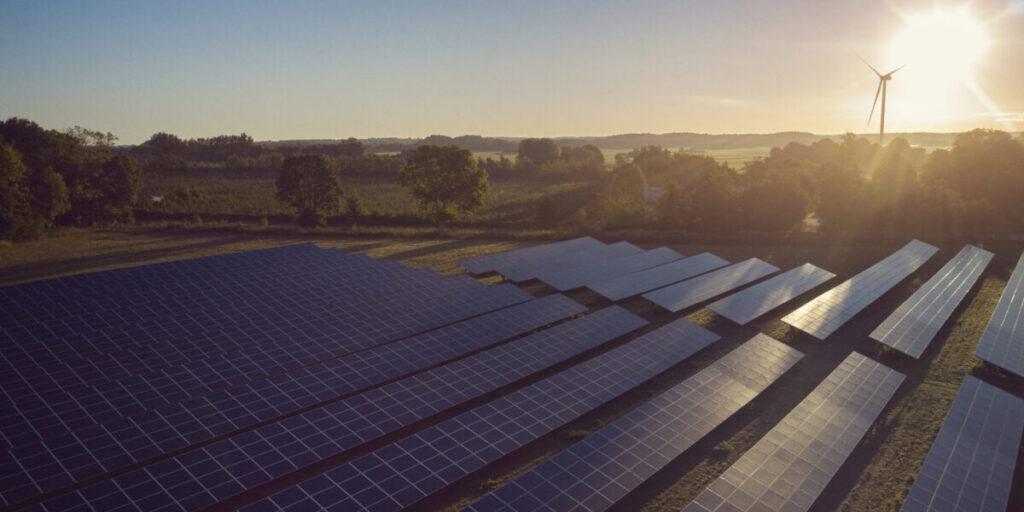 Photovoltaic expansion in 2023: Germany will reach 14 gigawatts, Europe will reach 56 gigawatts
  Module prices in China fall to new all-time low and manufacturers reduce production
 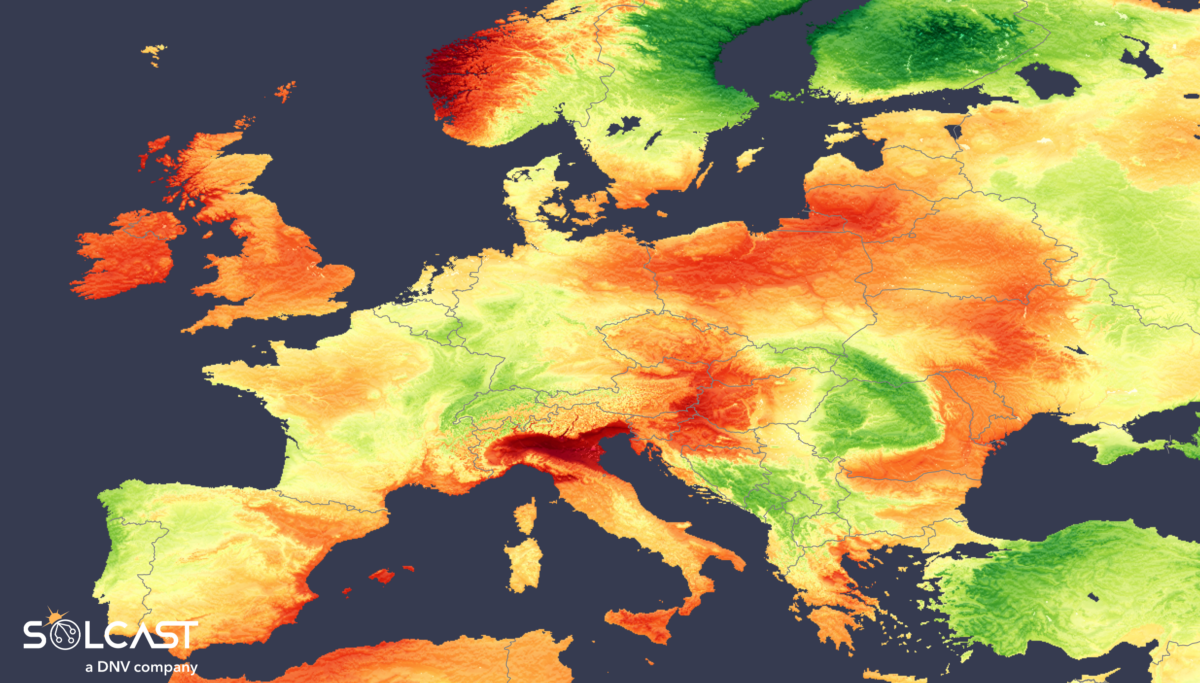 European Solar production a mixed bag in November due to Baltic Low Pressure, Storm Ciarán
 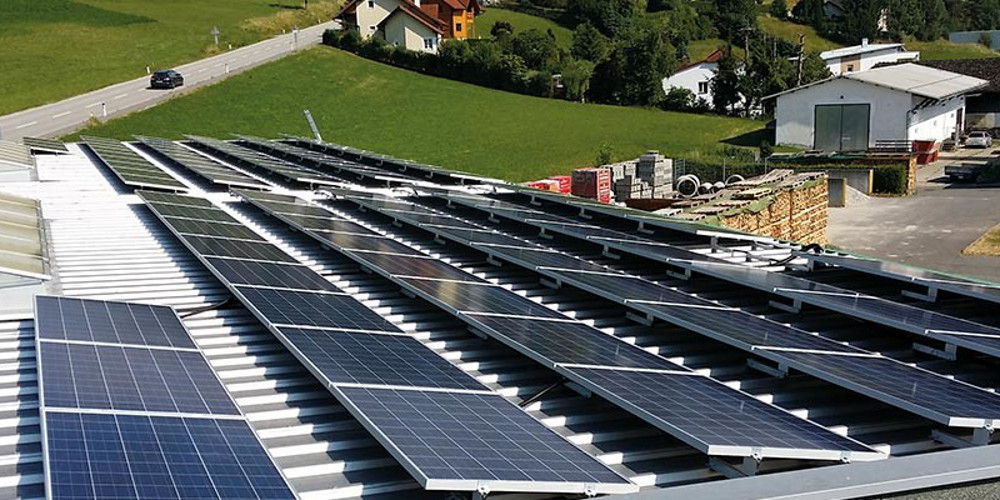 Renewables helping China to halve power prices compared to US, Europe
  Chinese module prices have reached historic lows, operating percentages are estimated at around 60%
  Summer-autumn-winter-spring: the Italian electricity market is the most expensive in Europe
 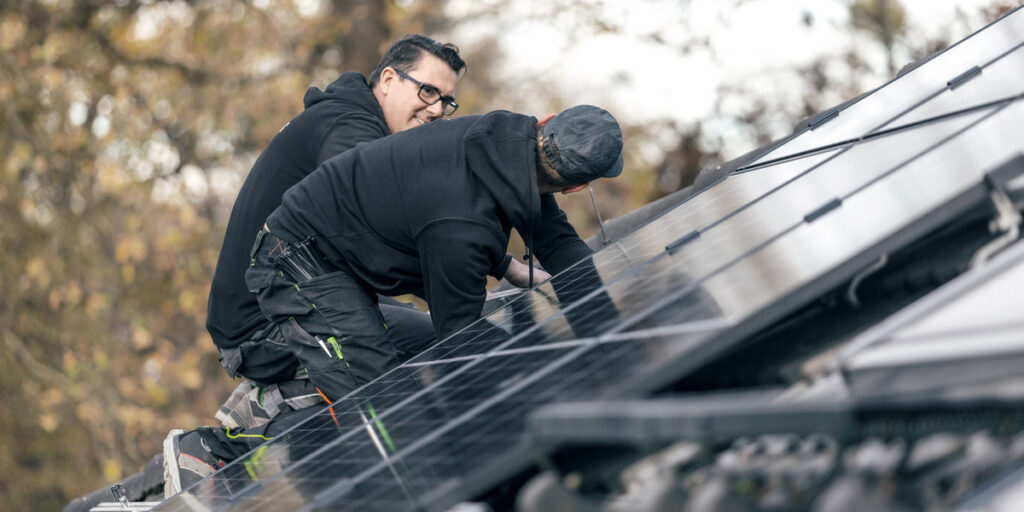 With photovoltaics and storage, 53 percent of all single-family homes in Europe could become completely energy self-sufficient
  Europe to add 58 GW of solar in 2023
  State of the Energy Union 2023, it is necessary to accelerate investments in renewables