
Photovoltaic and wind energy already represent 12% of world electricity
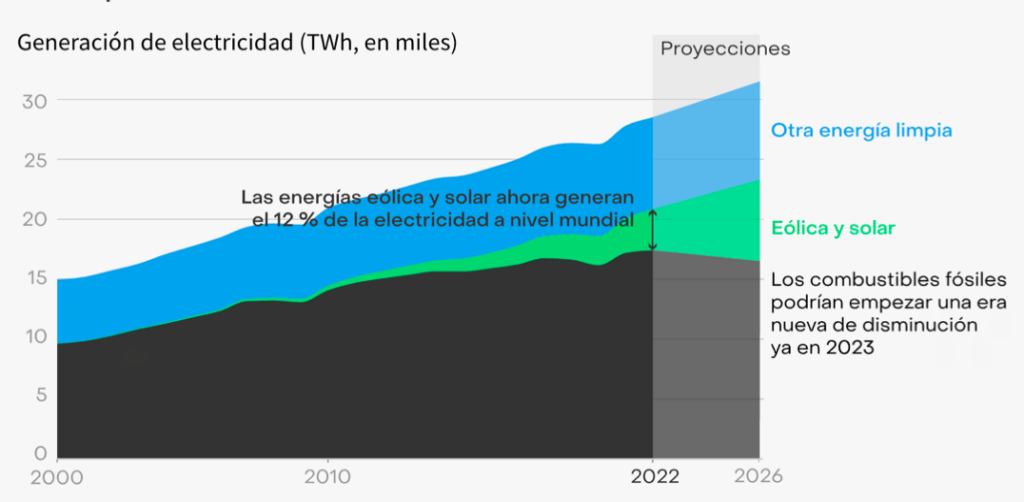
UK-based research group Ember has shared its Global Electricity Review 2023 report, which among other data reveals that wind and solar power generated 12% of global electricity in 2022.
The report analyzes electricity data from 78 countries that, it says, account for 93% of global electricity demand.
Some highlights focus on the fact that solar energy recorded a record 245 TWh of generation in 2022, while wind energy added a maximum of 312 TWh.
“This represents an increase compared to the tenth of global electricity generation in 2021, which in turn represented an increase compared to the 5% it represented when the Paris Agreement was signed in 2015,” the report points out.
Also, together, solar and wind surpassed nuclear-based generation in 2021 and are already catching up with hydropower.
In fact, it is claimed that more than sixty countries now generate more than 10% of their electricity from wind and solar power.
Regarding the fall in carbon intensity in 2022 in electricity generation worldwide, it is reported that it was at a record low, 436 gCO2/kWh, “the cleanest electricity in history”.
The above is justified, according to the report, due to record growth in wind and solar energy.
Together, all sources of clean electricity (including nuclear among them) generated 39% of electricity worldwide, "a new all-time high."
While solar power generation rose 24%, making it the fastest growing source of electricity for 18 years in a row, wind power generation was up 17%.
A prominent paragraph states: “2022 will be remembered as a turning point in the world's transition to clean electricity. Russia's invasion of Ukraine caused many governments to reconsider their plans amid rising fossil fuel prices and security concerns by relying on fossil fuel imports.
"In addition - it adds - electrification has accelerated: more heat pumps, more electric vehicles and more electrolyzers."
One of the conclusions of the report is that the power sector must move from being the largest emitting sector to being the first sector to reach net zero emissions globally by 2040, if the world is to have a chance of achieving net zero emissions across the board. its economy by 2050.
 PV solar panel manufacturing downturn to extend into 2026
  SUSTAINABLE DEVELOPMENT BY INDUSTRY STANDARDS
  Maxeon posts US$14.9 million losses in delayed Q1 ’24 results
  Chinese PV Industry Brief: New PV hit 36.72 GW in January-February period
 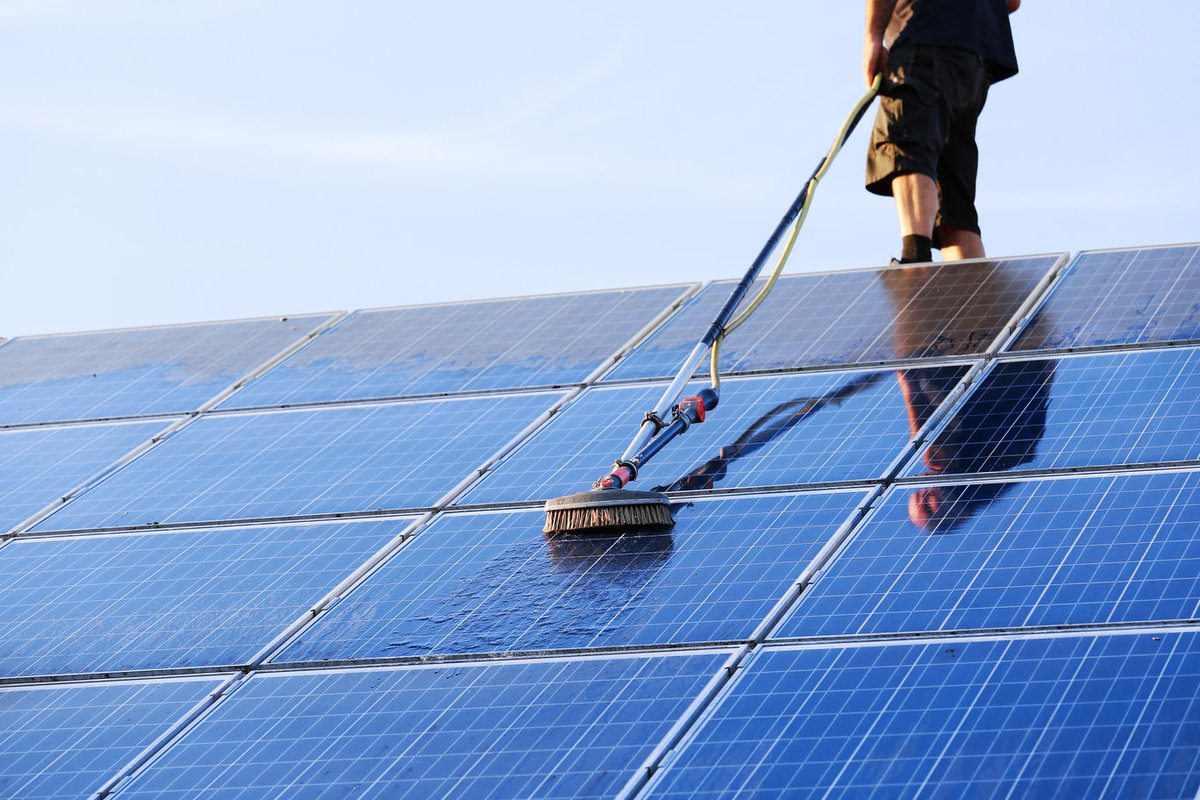 How to maintain solar panels
 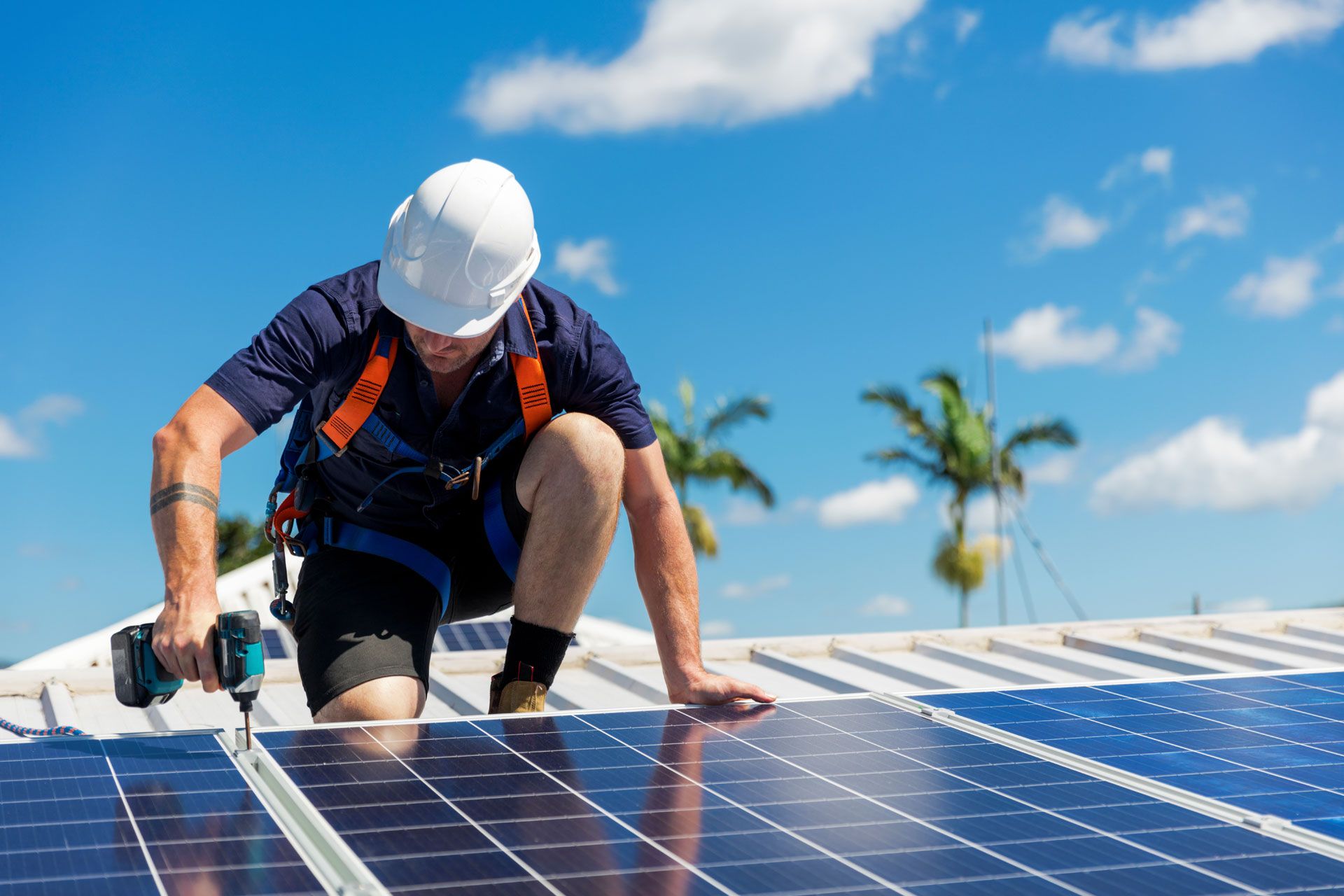 How to Installing solar panels?
  What are the types of solar panels?
  Small-scale solar good for environment, but agrivoltaics might be better
  Module prices steady as market mulls price hikes
  China solar cell prices decline on sluggish downstream demand
  Four rooftop solar trends in 2023
 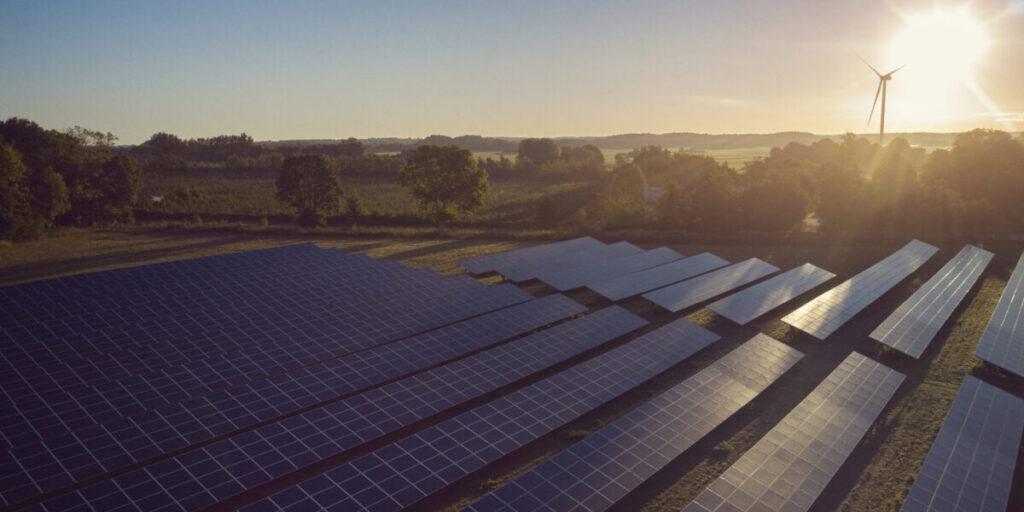 Photovoltaic expansion in 2023: Germany will reach 14 gigawatts, Europe will reach 56 gigawatts
  Module prices in China fall to new all-time low and manufacturers reduce production
 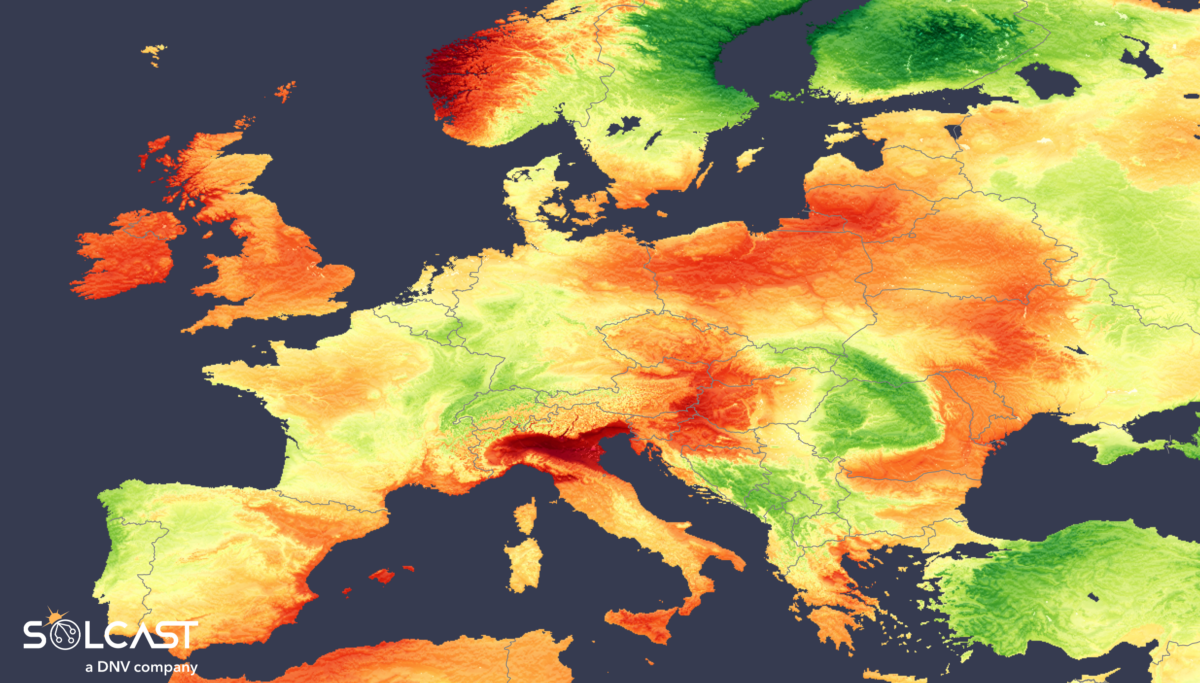 European Solar production a mixed bag in November due to Baltic Low Pressure, Storm Ciarán
 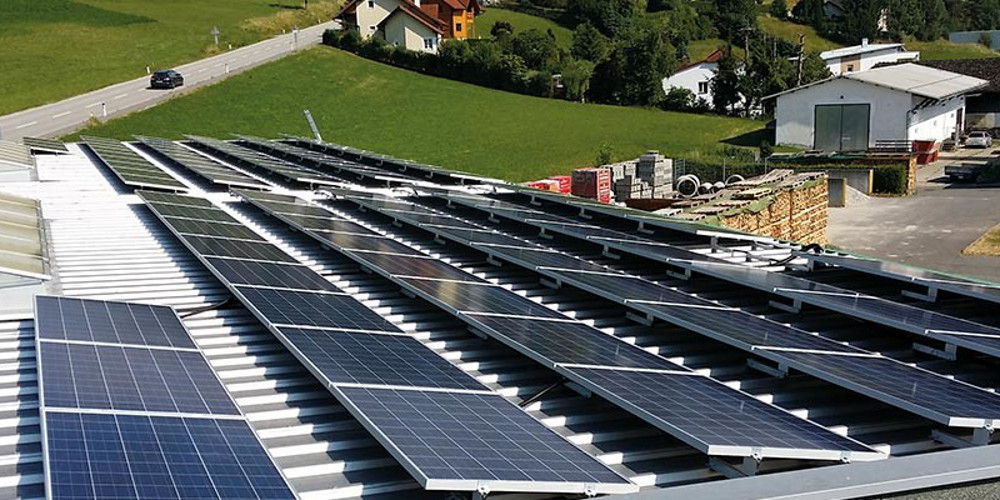 Renewables helping China to halve power prices compared to US, Europe
  Chinese module prices have reached historic lows, operating percentages are estimated at around 60%
  Summer-autumn-winter-spring: the Italian electricity market is the most expensive in Europe
 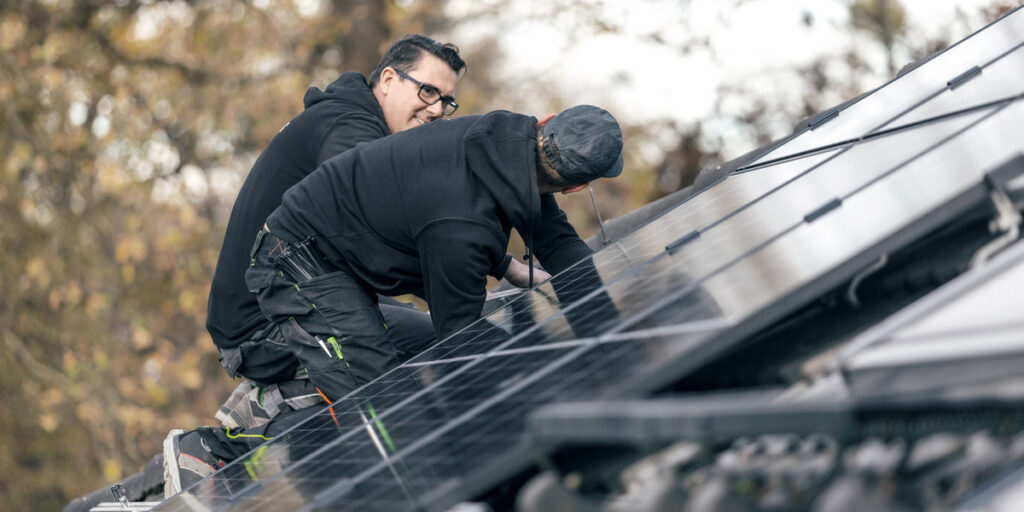 With photovoltaics and storage, 53 percent of all single-family homes in Europe could become completely energy self-sufficient
  Europe to add 58 GW of solar in 2023
 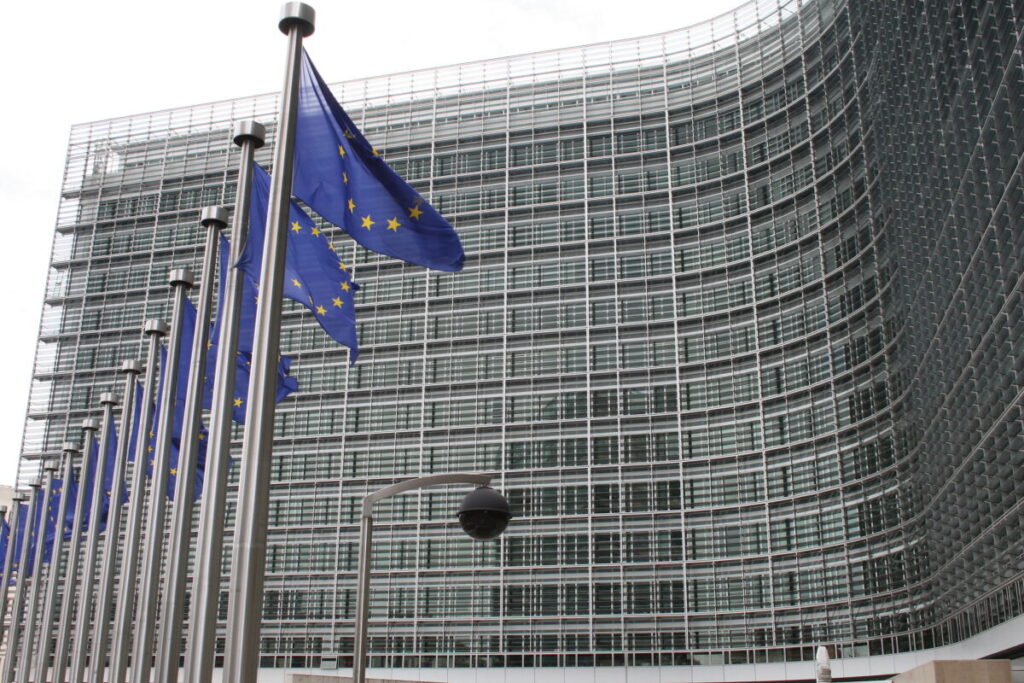 State of the Energy Union 2023, it is necessary to accelerate investments in renewables