
Rebound in solar module prices in China
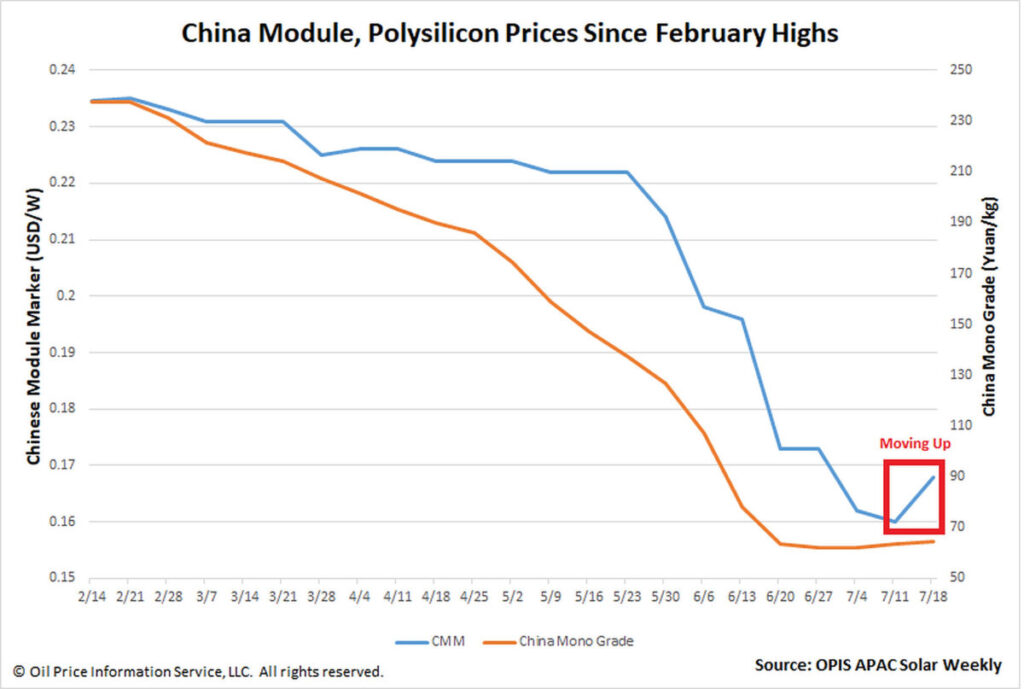
The Chinese Module Marker (CMM), OPIS's benchmark assessment for modules from China, rose to $0.168/W, in a week that saw the market grapple with a weaker US dollar and rising prices. prices across the Chinese solar value chain.
This 5% rise - MMC's first move higher in nearly six months after recent all-time lows according to OPIS data - comes as most contacts reported prices around $0.17/W and noted how the dollar has depreciated in the preceding days.
Previous segments in China, from polysilicon to cells, posted gains this week, boosting module prices. China Mono Grade, OPIS's valuation for polysilicon in the country, rose for the second week in a row to 64.42 yuan/kg, or nearly $8/kg.
Multiple sources agreed that Chinese module makers are ramping up production, though they offered different reasons for this in the current low price environment.
“Demand is increasing now that prices are low,” and the third and fourth quarters are the peak sales periods for modules, one of the sources explained. Major export markets are showing a normal growth rate, according to a veteran of the solar industry. It is the smaller, barely covered markets of less than 1 GW each that, combined, are driving demand, the veteran added.
For the big, blue-chip manufacturers, increased production has "literally no correlation to demand," according to a source at one of these companies. A top-tier manufacturer can drive smaller players out of the market and gain market share by continuing to lower its prices, according to an experienced market observer.
In the future, it is unlikely that module prices will continue to rise, since the excess of manufacturers means intense competition in this sector, many contacts agree. "To snatch orders, companies will choose to forego benefits," a source explained. Echoing this sentiment, another source said there isn't much profit left to be made, but it would be nice if prices stabilized at least.
OPIS, a Dow Jones company, provides energy prices, news, data and analysis on gasoline, diesel, jet fuel, LPG/LNG, coal, metals and chemicals, as well as renewable fuels and environmental commodities. In 2022 it acquired the price data assets of the Singapore Solar Exchange and now publishes the OPIS APAC Solar Weekly Report .
PRODUCT

 PV solar panel manufacturing downturn to extend into 2026
  SUSTAINABLE DEVELOPMENT BY INDUSTRY STANDARDS
 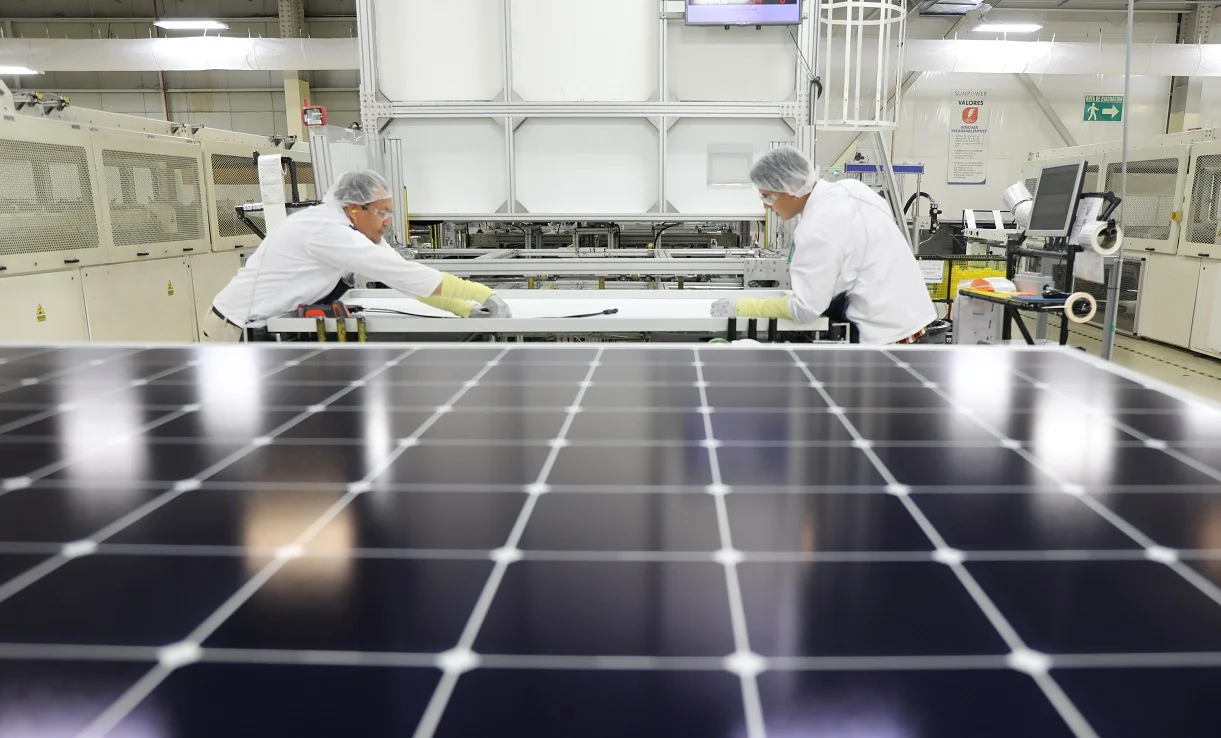 Maxeon posts US$14.9 million losses in delayed Q1 ’24 results
  Chinese PV Industry Brief: New PV hit 36.72 GW in January-February period
 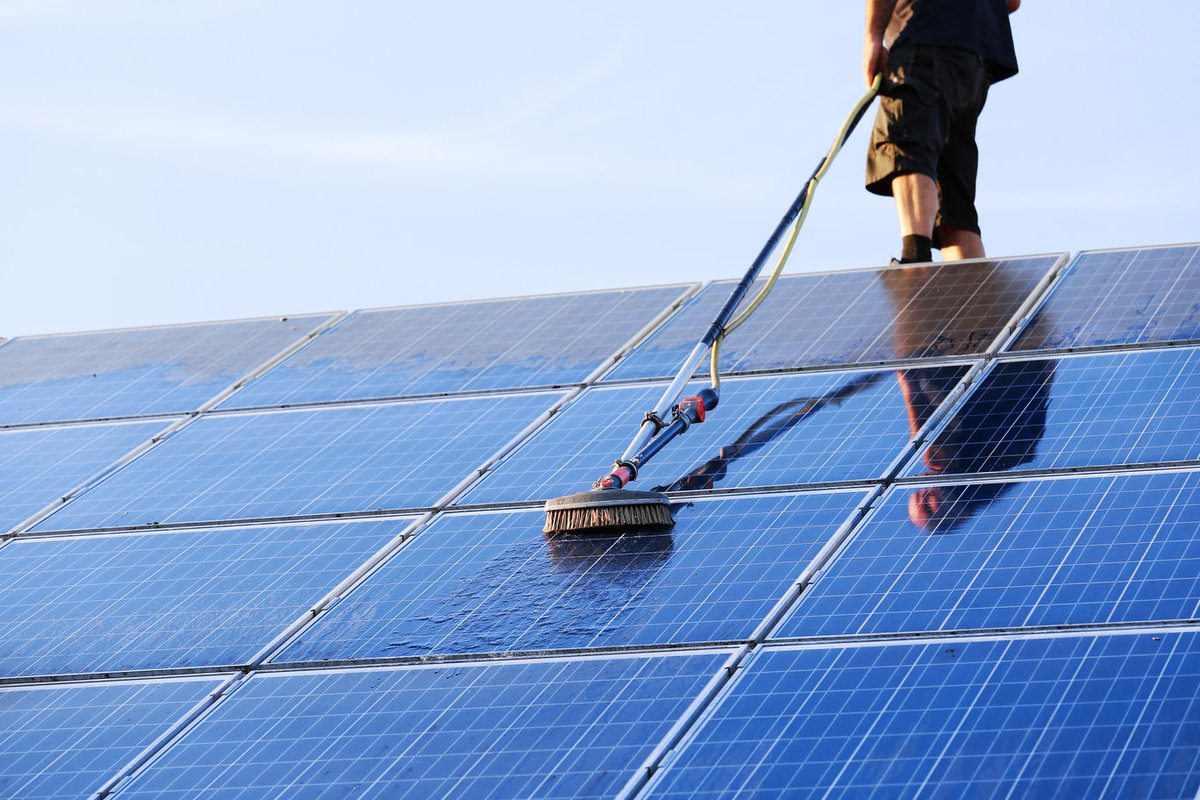 How to maintain solar panels
 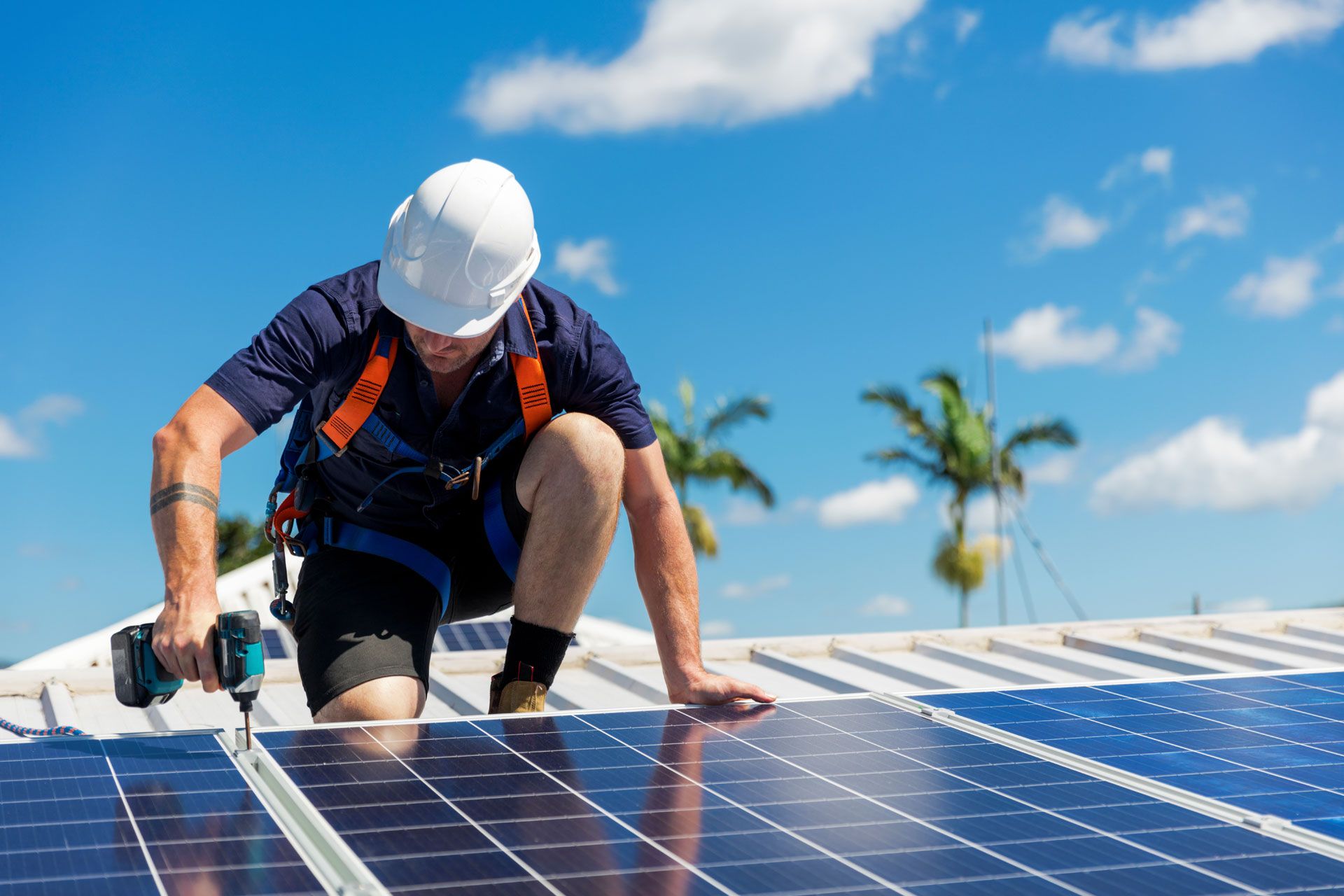 How to Installing solar panels?
 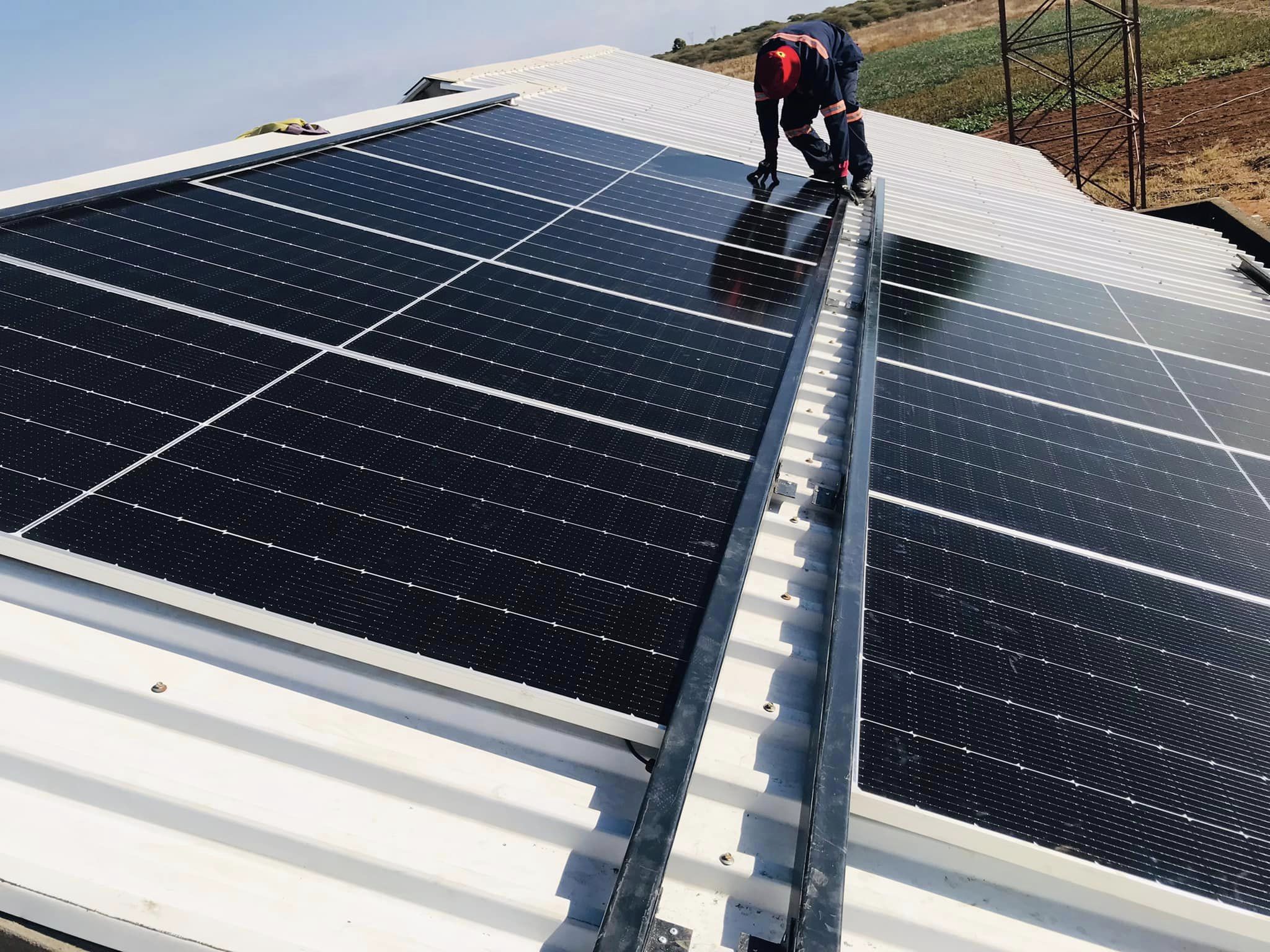 What are the types of solar panels?
  Small-scale solar good for environment, but agrivoltaics might be better
  Module prices steady as market mulls price hikes
  China solar cell prices decline on sluggish downstream demand
  Four rooftop solar trends in 2023
  Photovoltaic expansion in 2023: Germany will reach 14 gigawatts, Europe will reach 56 gigawatts
  Module prices in China fall to new all-time low and manufacturers reduce production
  European Solar production a mixed bag in November due to Baltic Low Pressure, Storm Ciarán
  Renewables helping China to halve power prices compared to US, Europe
  Chinese module prices have reached historic lows, operating percentages are estimated at around 60%
  Summer-autumn-winter-spring: the Italian electricity market is the most expensive in Europe
  With photovoltaics and storage, 53 percent of all single-family homes in Europe could become completely energy self-sufficient
  Europe to add 58 GW of solar in 2023
  State of the Energy Union 2023, it is necessary to accelerate investments in renewables